Sometimes all you see are signs
Camping alone on the Juan De Fuca trail in the off season, my goal was to photograph wildlife.
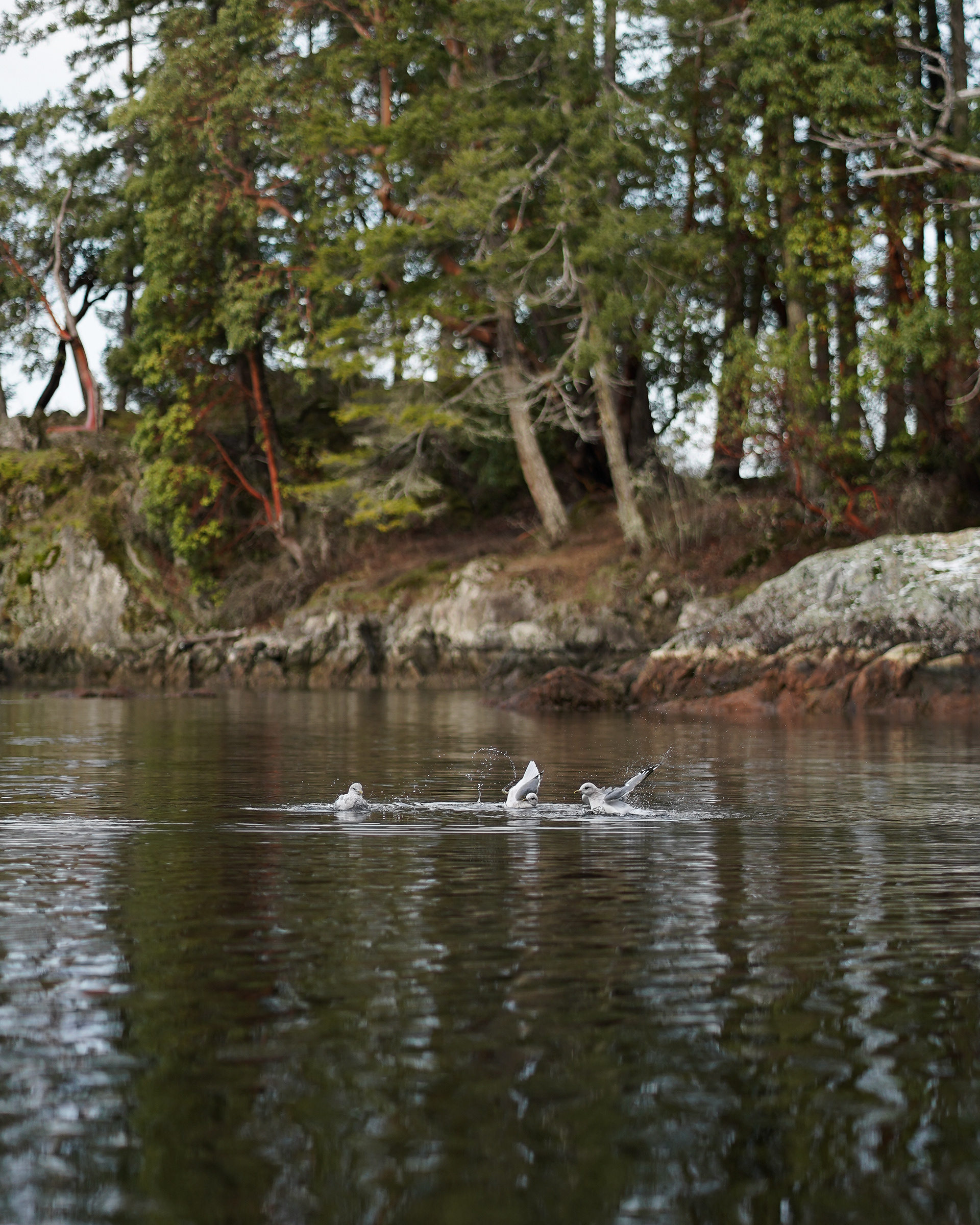
I only saw a few gulls and a robin but every morning I found signs of someone else who had come and gone in the night.
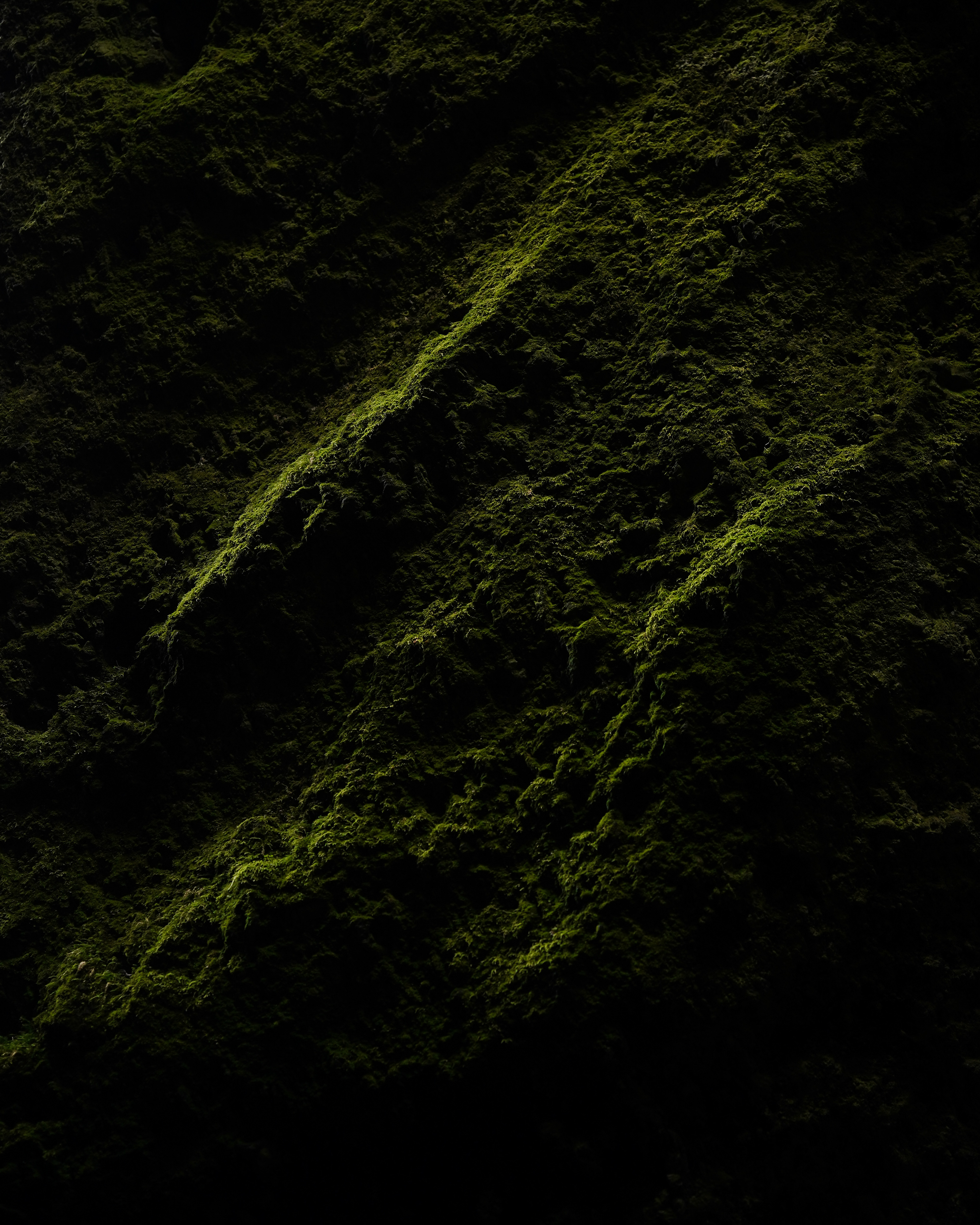
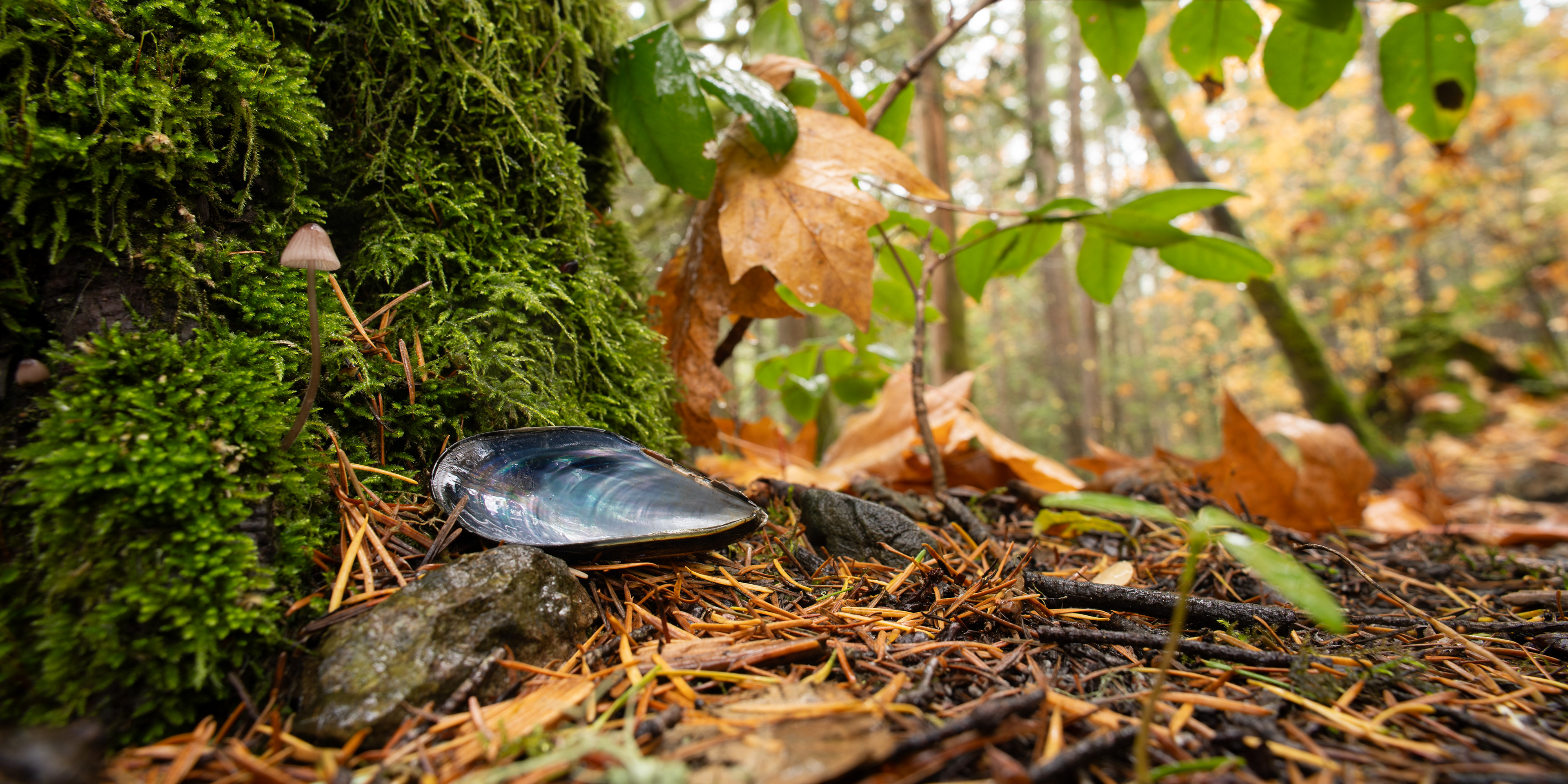
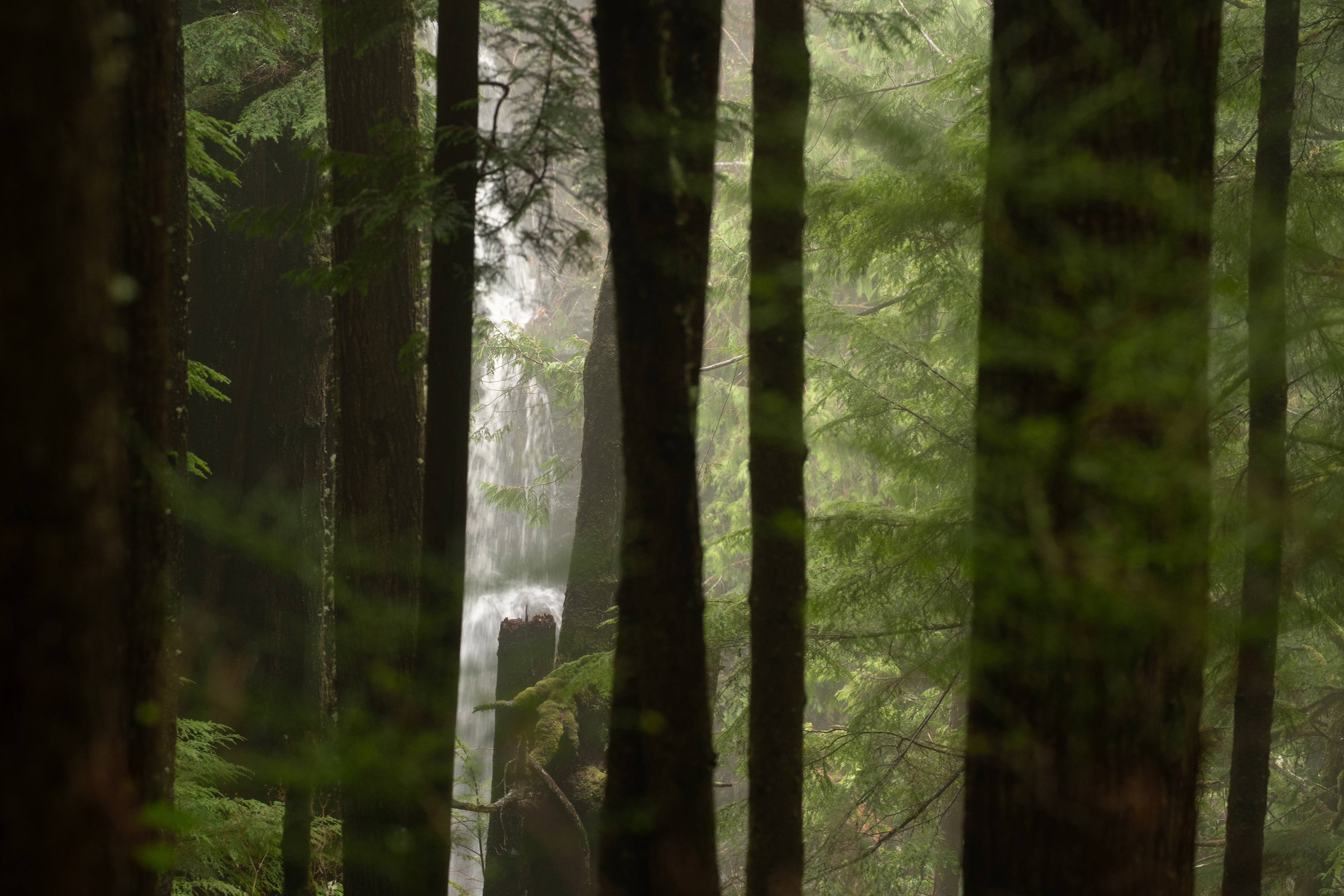
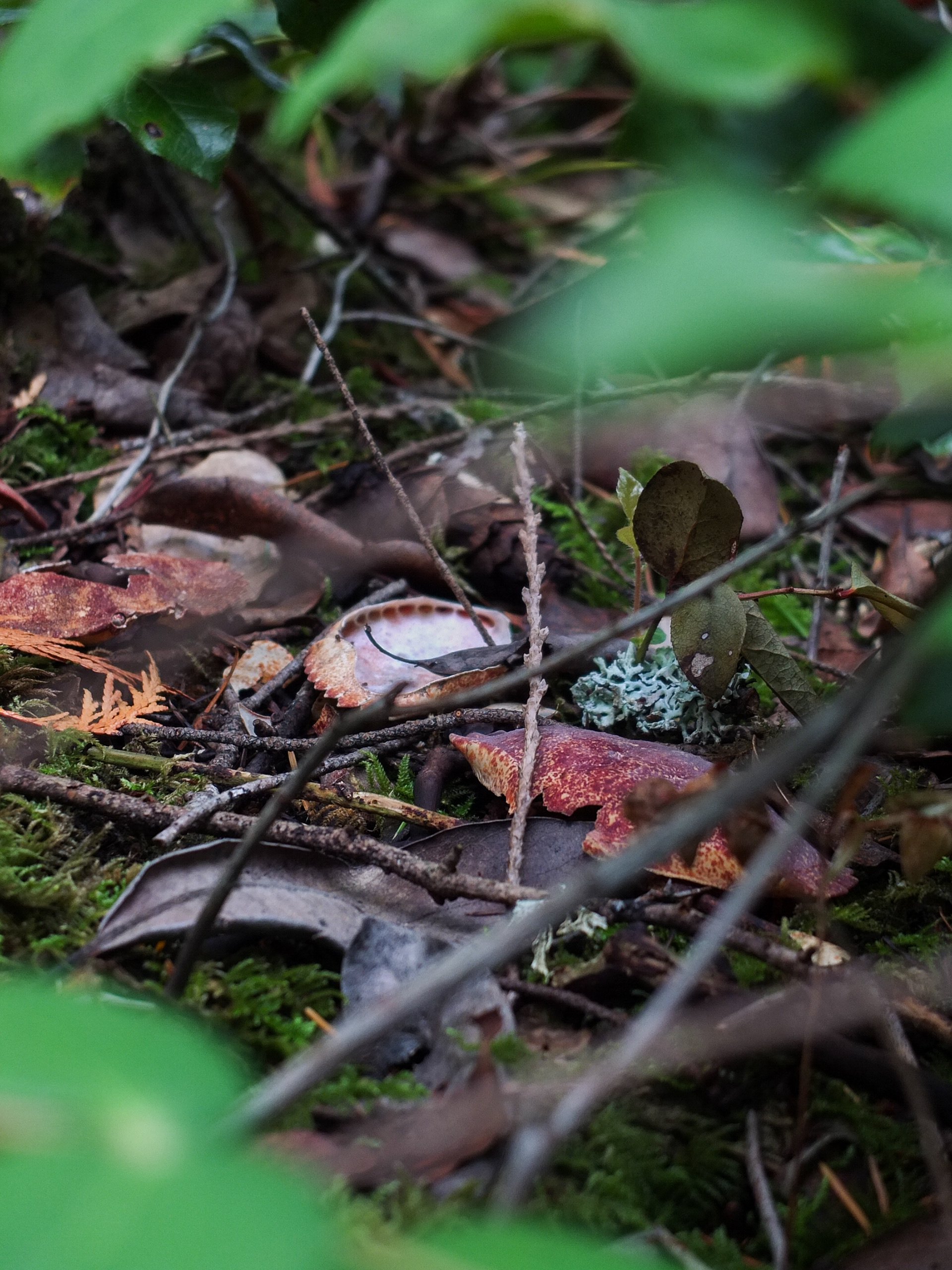
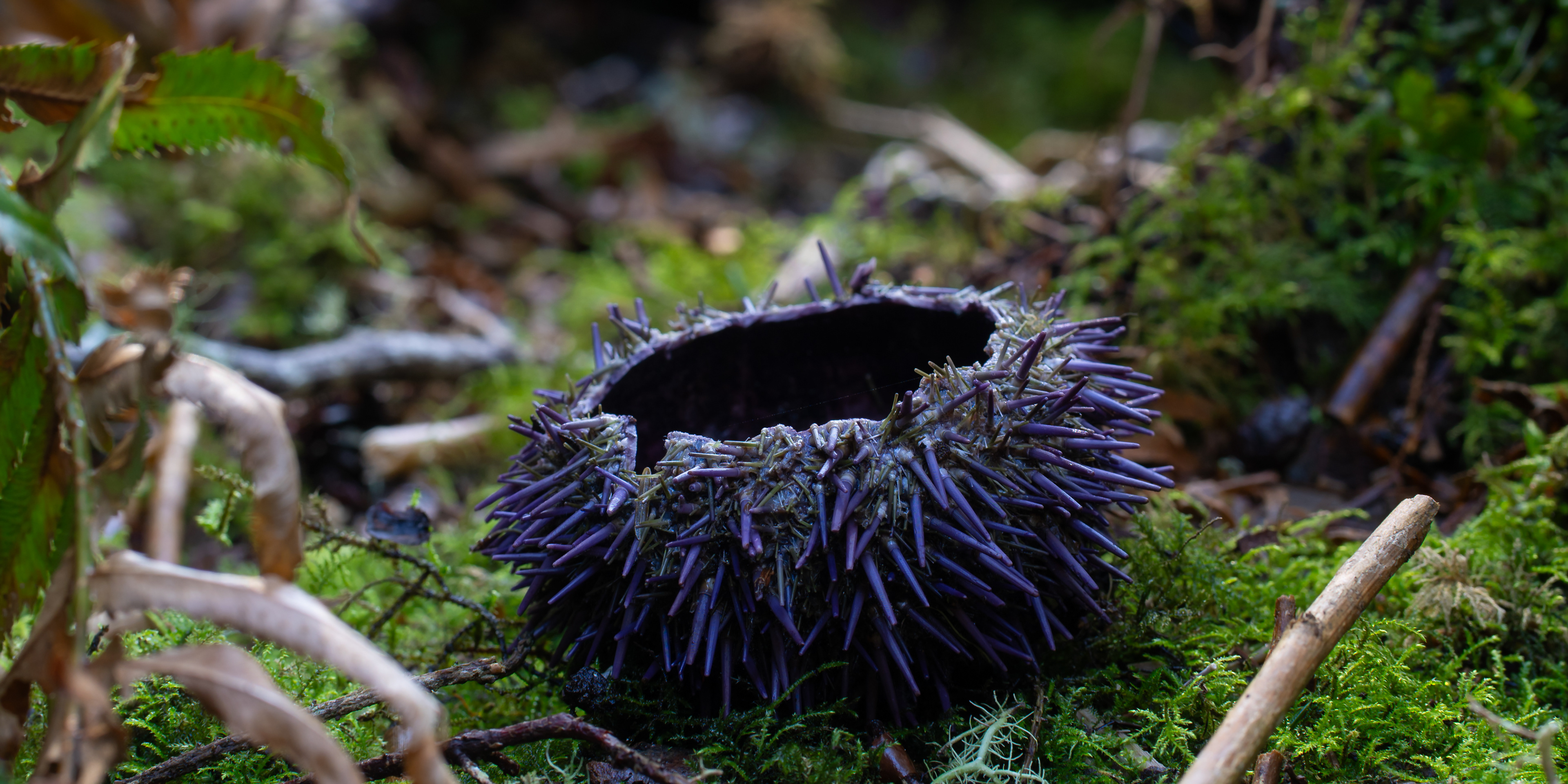
While photographing a water fall I noticed a bunch of sun bleached shell fragments in the moss. looking closer I found a freshly eaten Urchin resting in a bone yard of its own kind.
I forgot the waterfall and lost myself in photographing this remarkable contrast: Purple and green, sea life in the forest...
Only a creature that lives its life in the water and on land could leave such a scene.
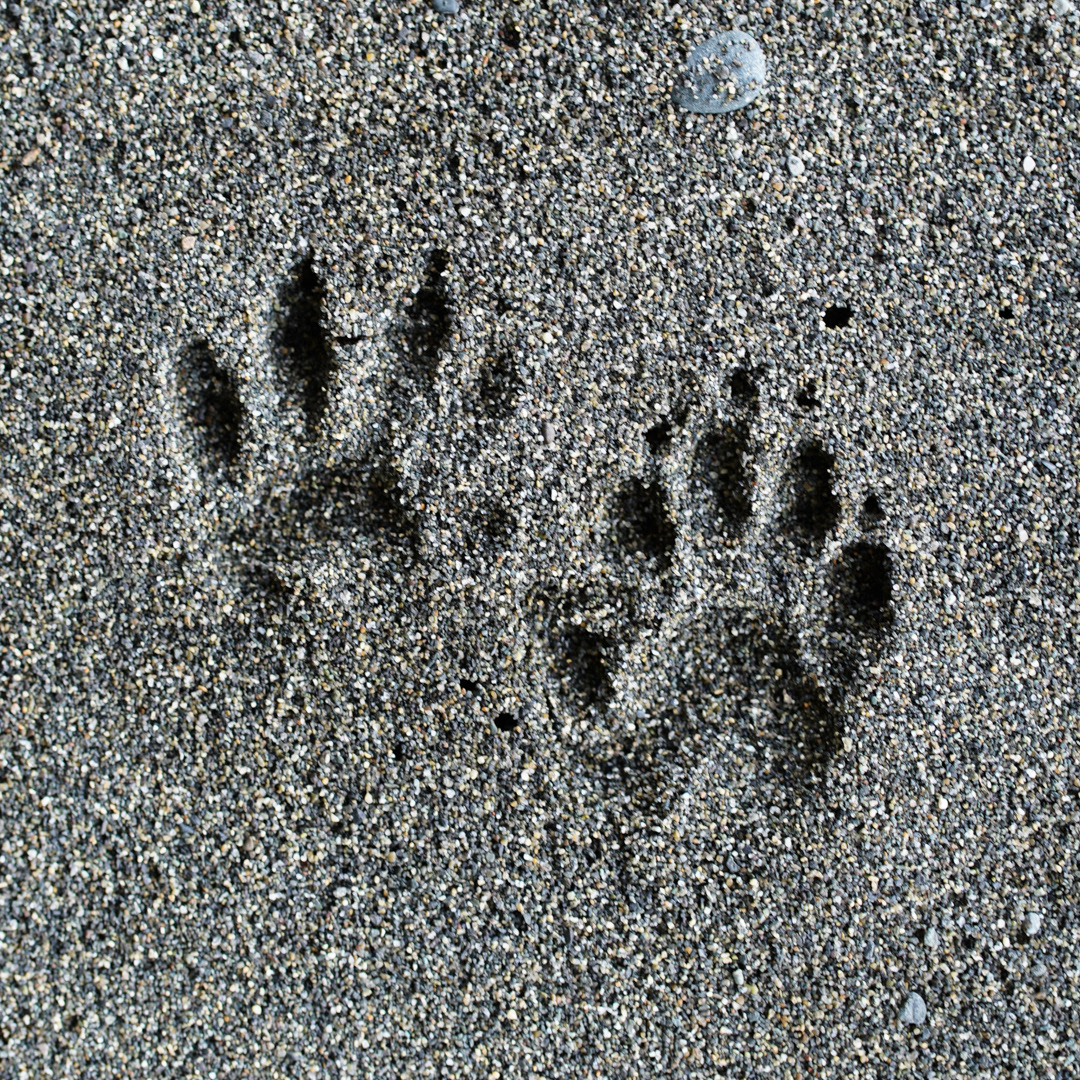
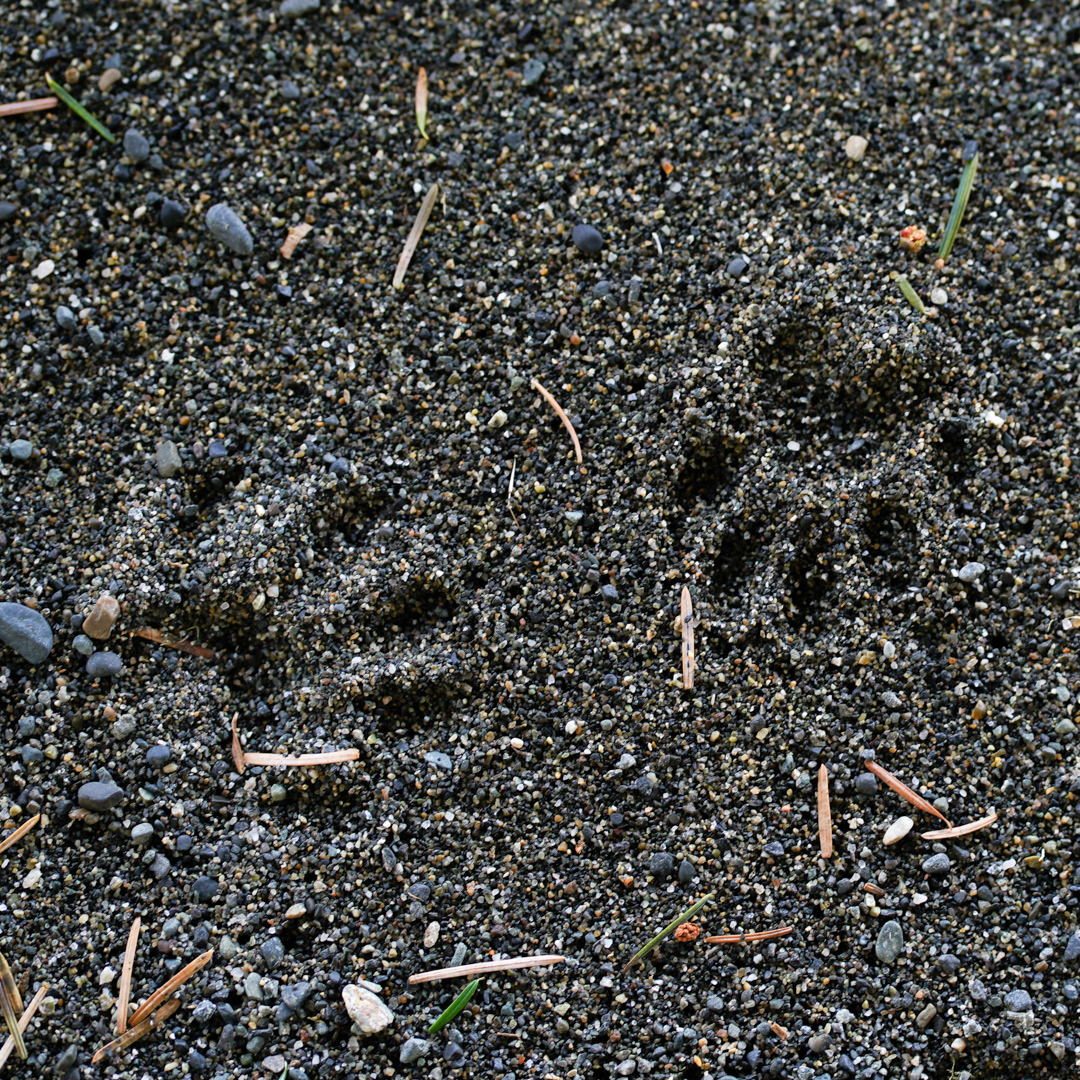
I knew immediately who the culprit was, because I had seen their tracks all up and down the beach.
I only saw a few gulls and a robin but every morning I found signs of someone else who had come and gone in the night.
While photographing a water fall I noticed a bunch of sun bleached shell fragments in the moss. looking closer I found a freshly eaten Urchin resting in a bone yard of its own kind.
I forgot the waterfall and lost myself in photographing this remarkable contrast: Purple and green, sea life in the forest...
Only a creature that lives its life in the water and on land could leave such a scene.
I knew immediately who the culprit was, because I had seen their tracks all up and down the beach.
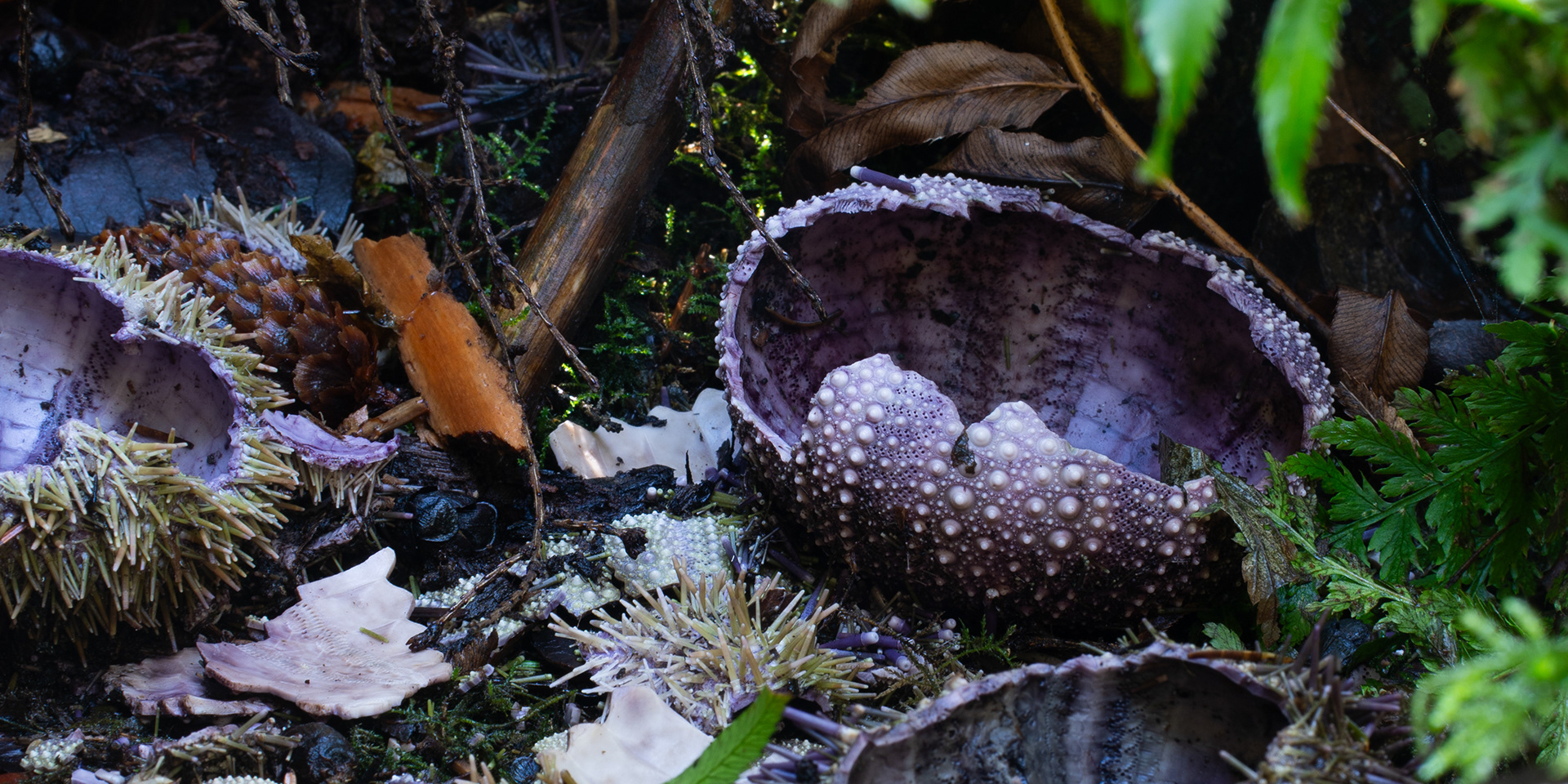
Purple Sea Urchin
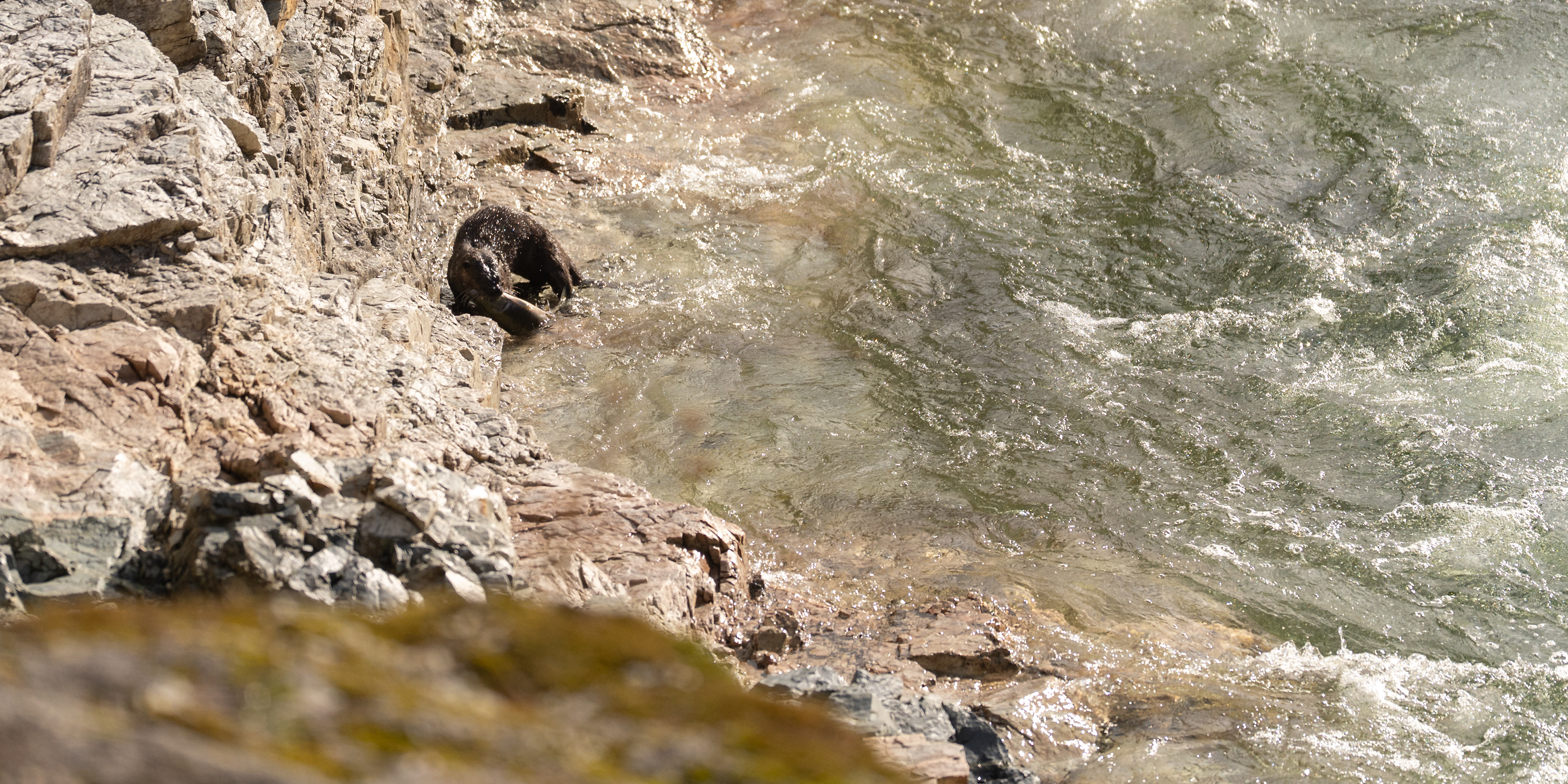
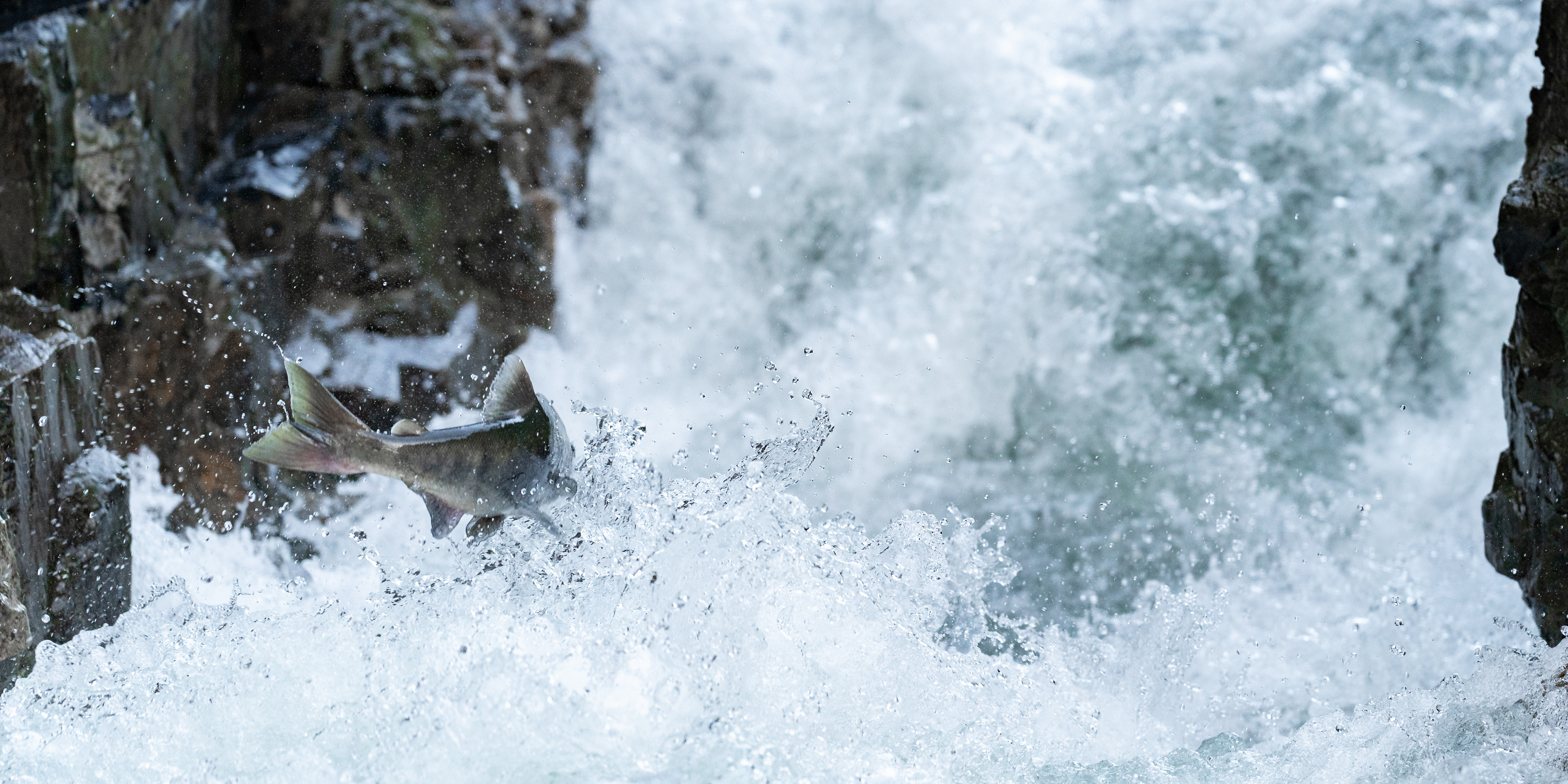
North American River Otter With Salmon
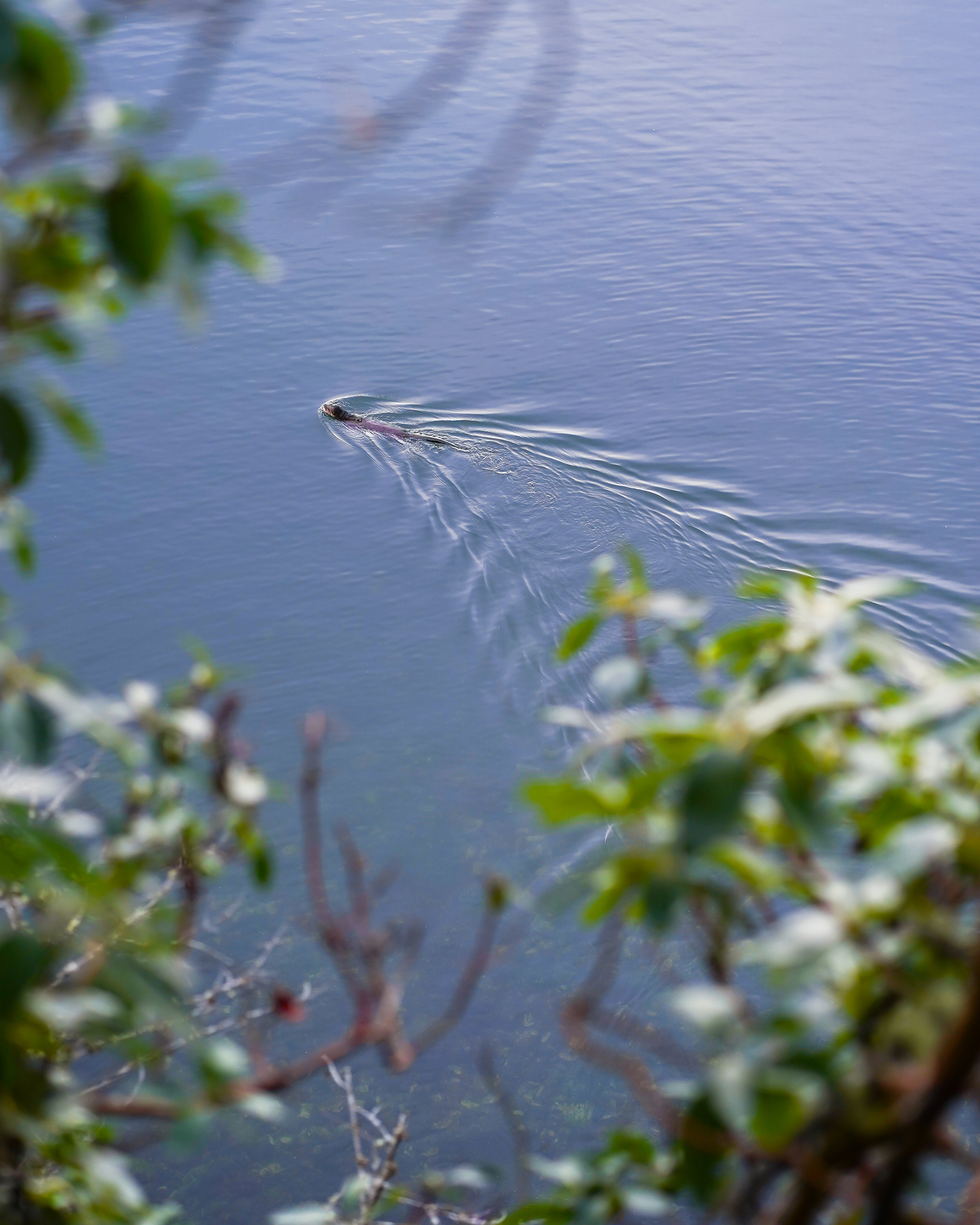
Signs often say more than sightings
When spotting an animal they often see, hear, smell or sense you in other ways.
Your presence alters their behaviour. Sign offer an insight into the goings on when you aren't there. Elusive species or behaviours that are rare to witness can be appreciated through their signs.
Your presence alters their behaviour. Sign offer an insight into the goings on when you aren't there. Elusive species or behaviours that are rare to witness can be appreciated through their signs.
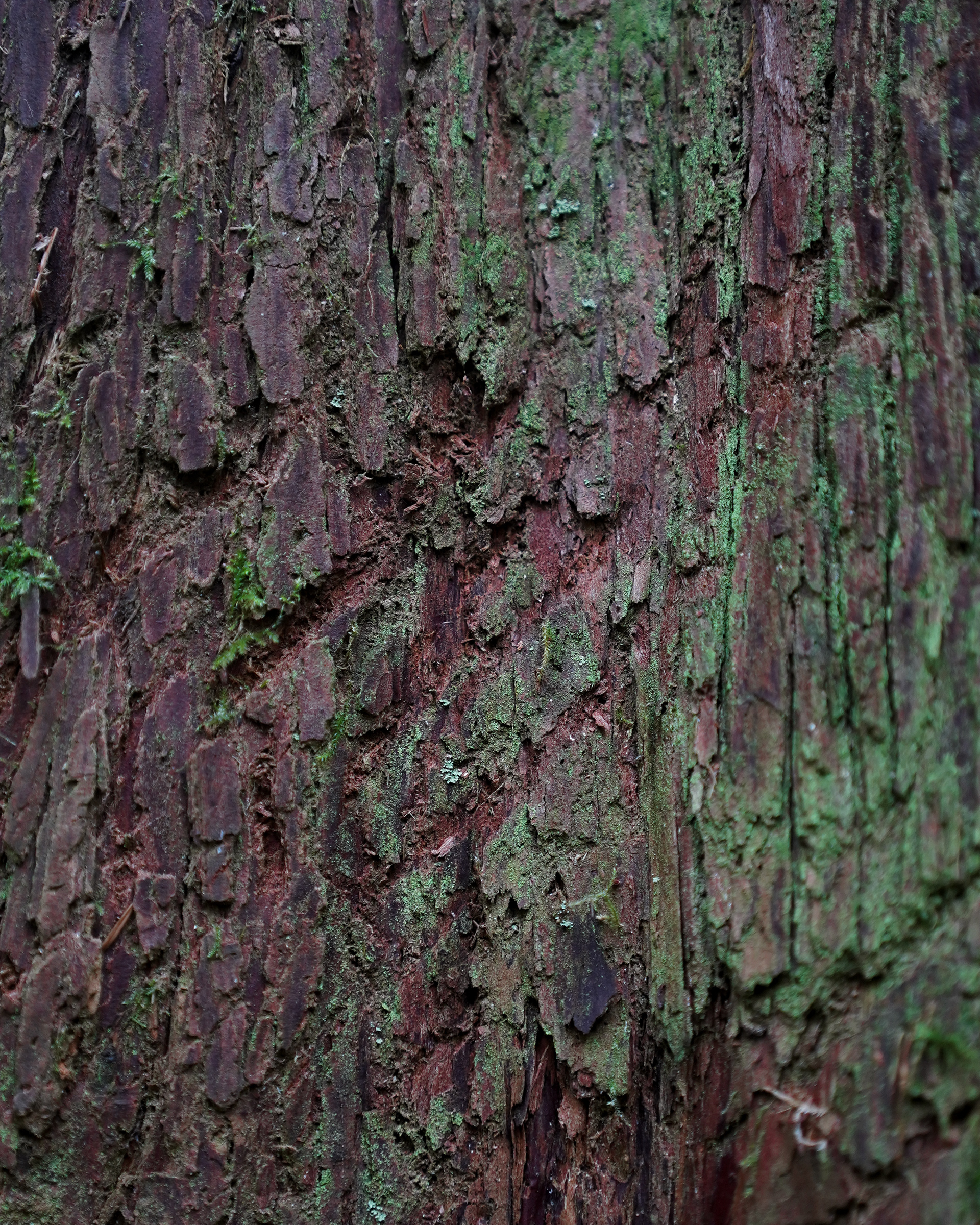
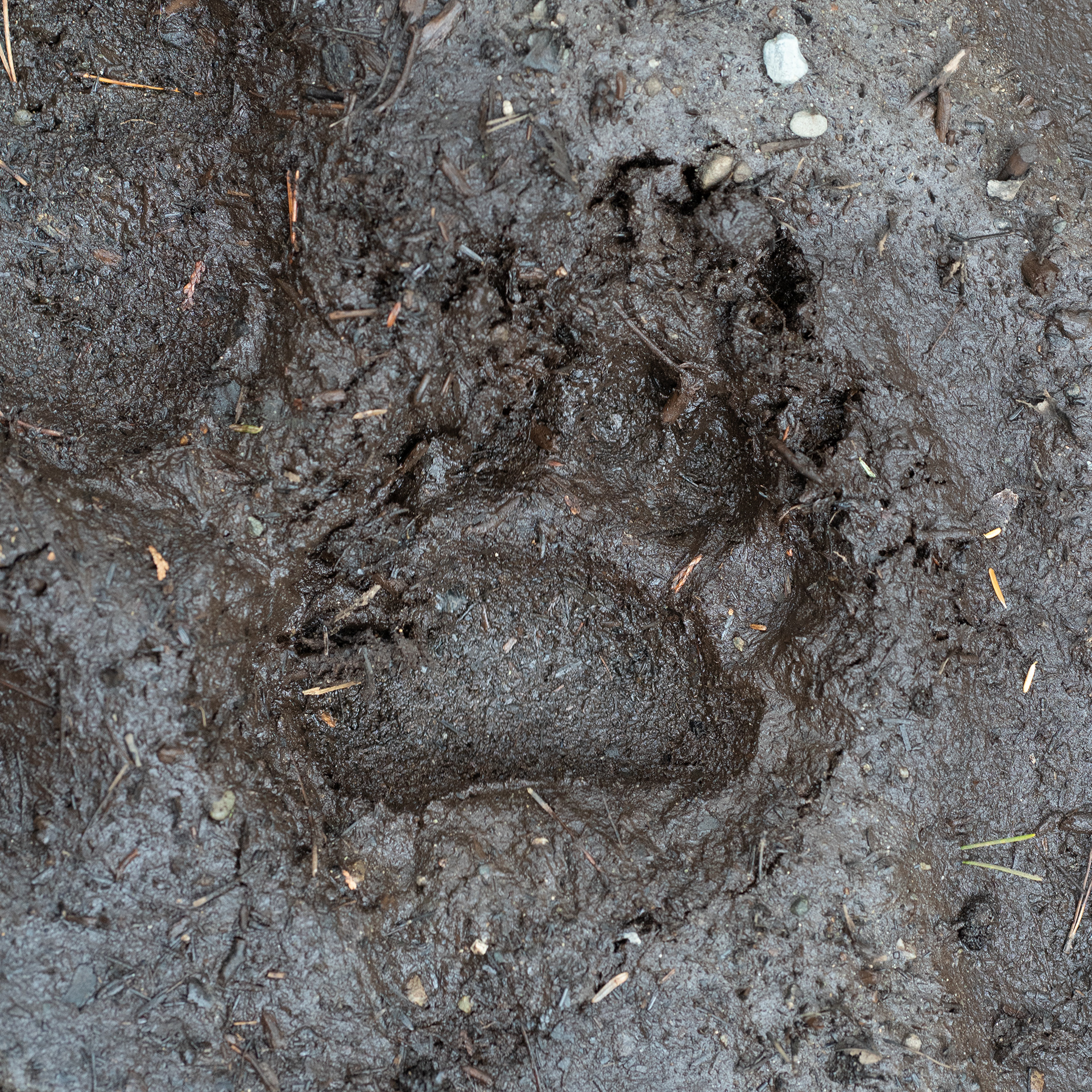
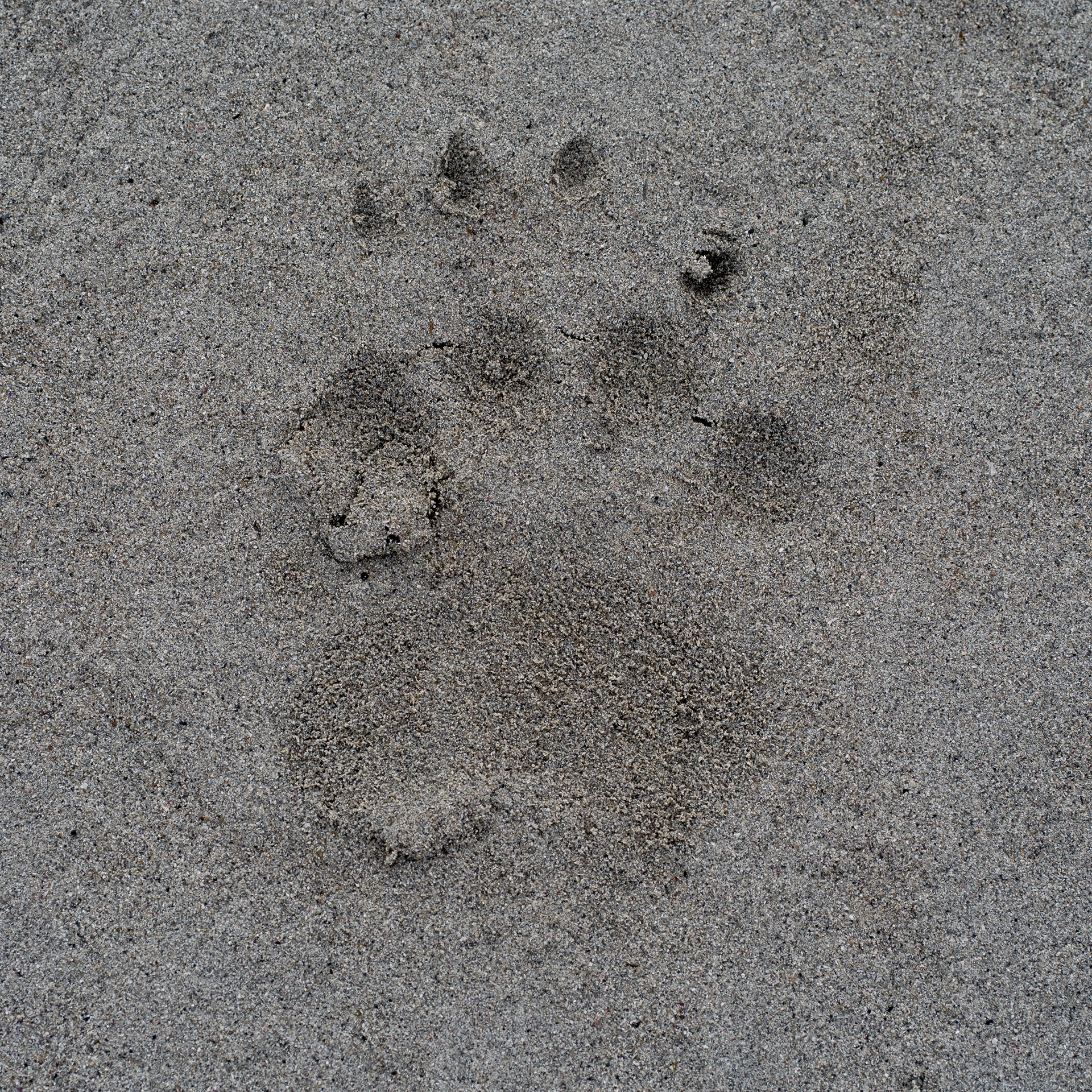
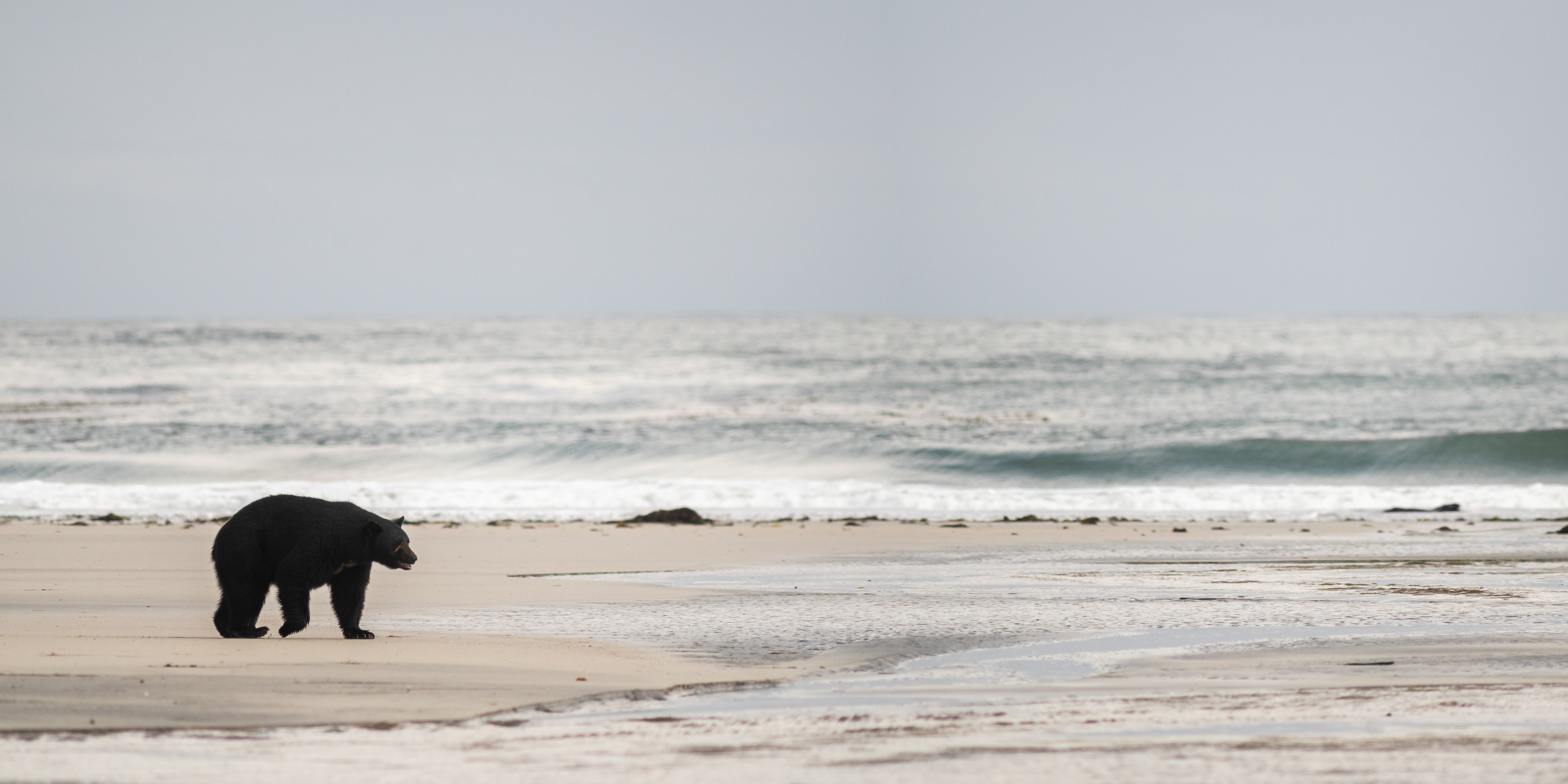
Vancouver Island Black Bear
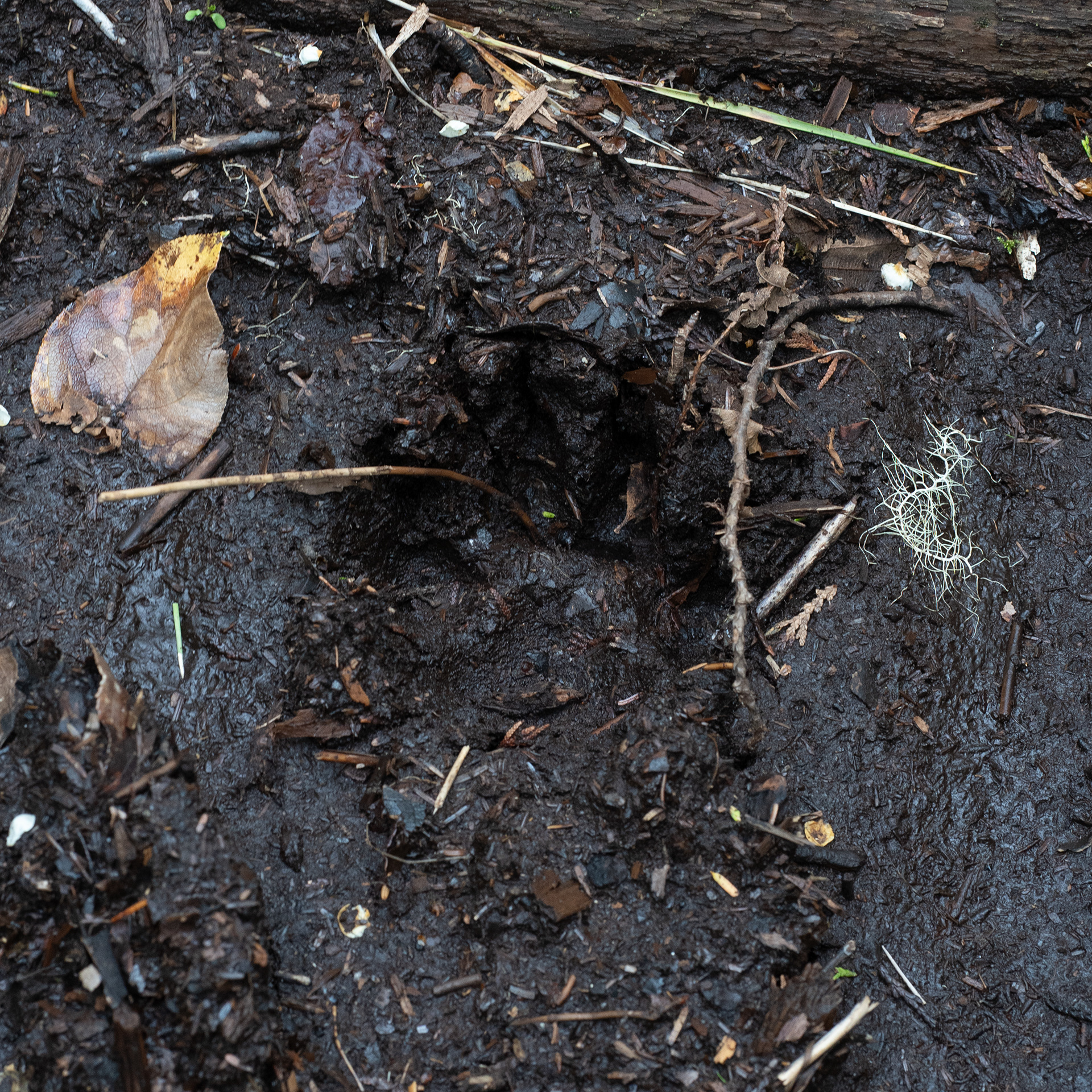
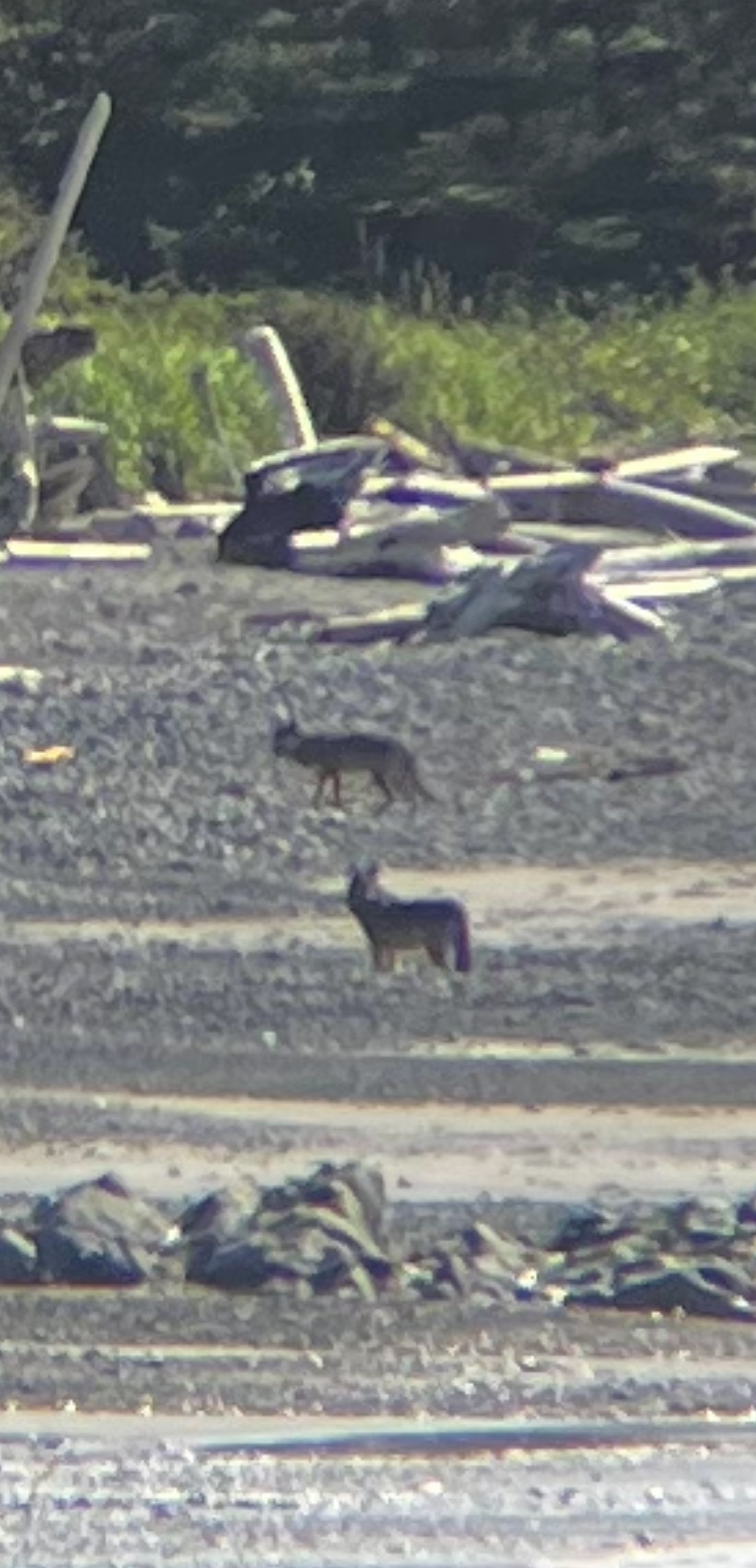
Vancouver Island Wolf
Sound is Sign
Animals Produce Sound in an astounding number of ways, and for many reasons.
Many behaviours that are hard to see produce sound.
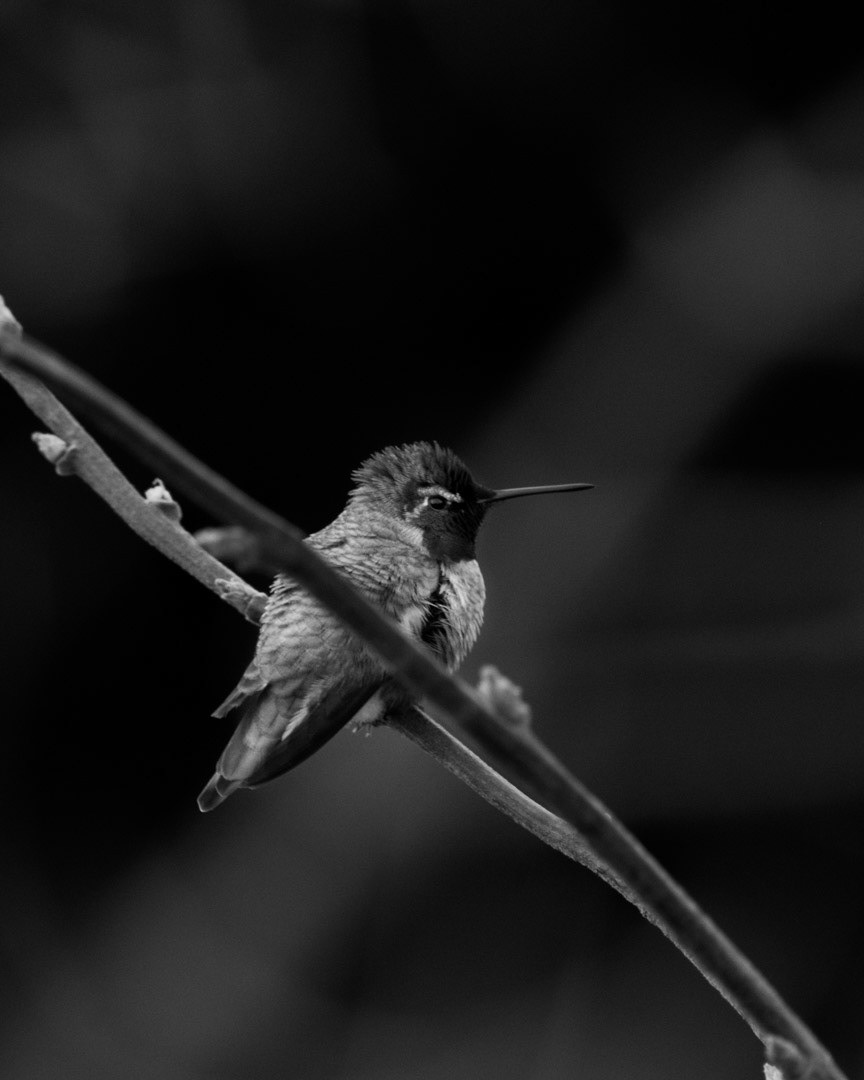
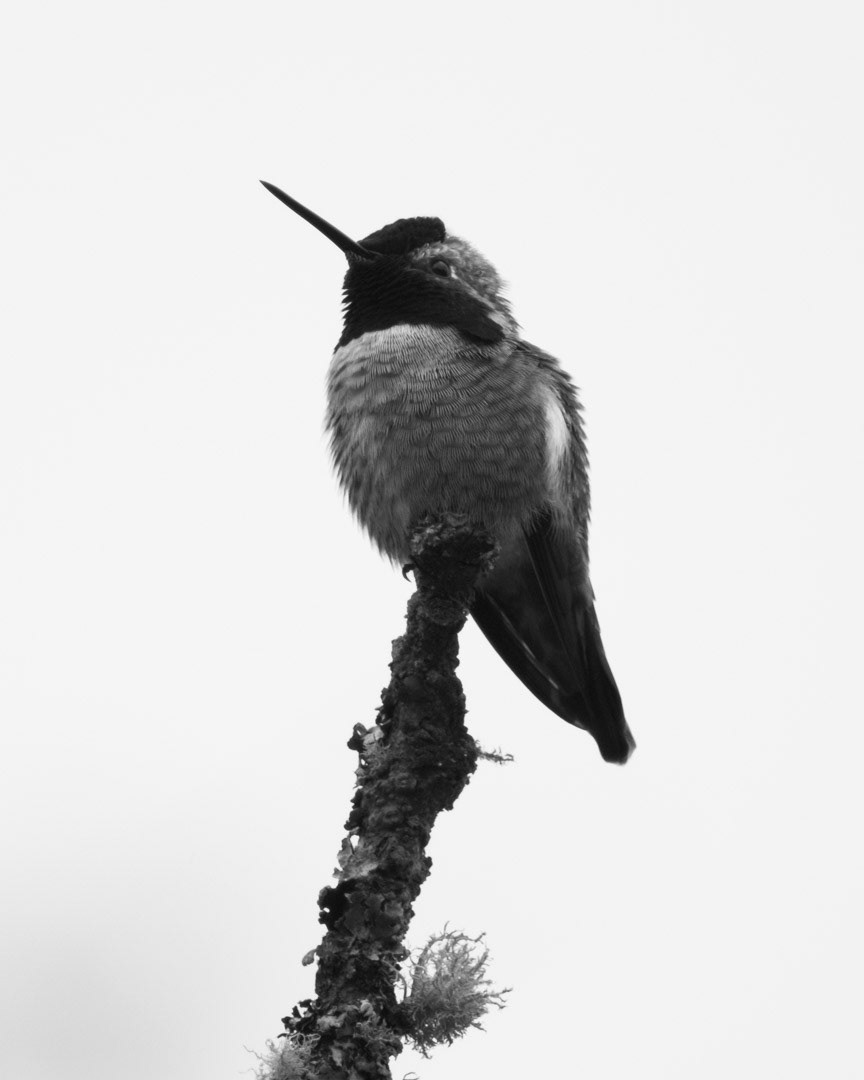
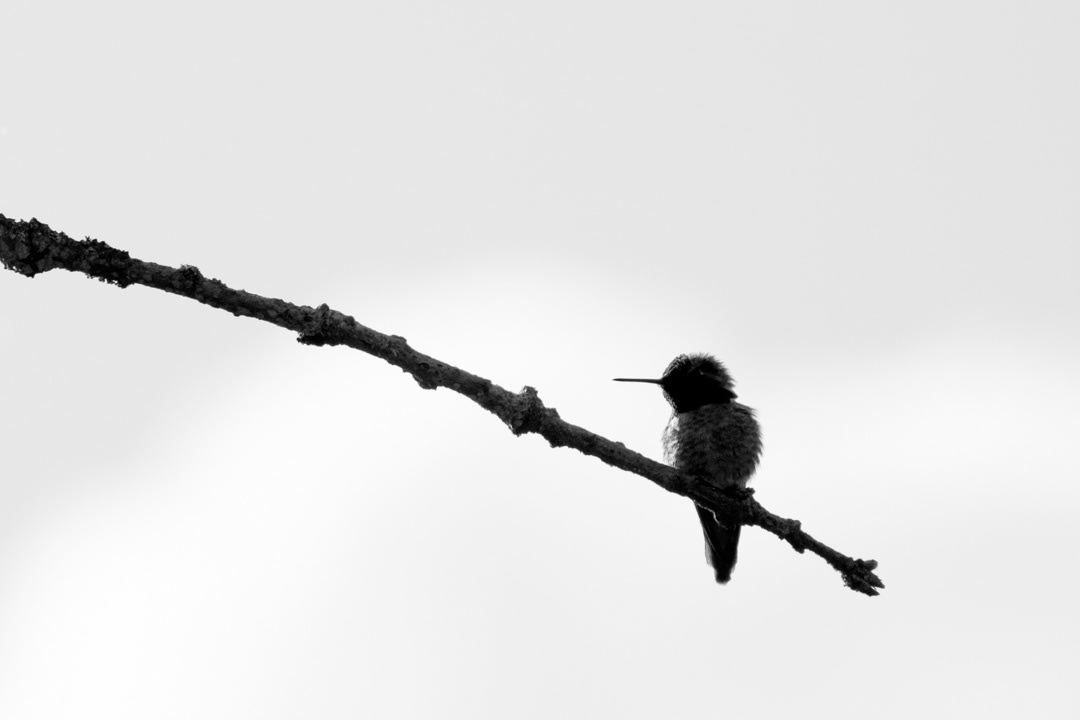
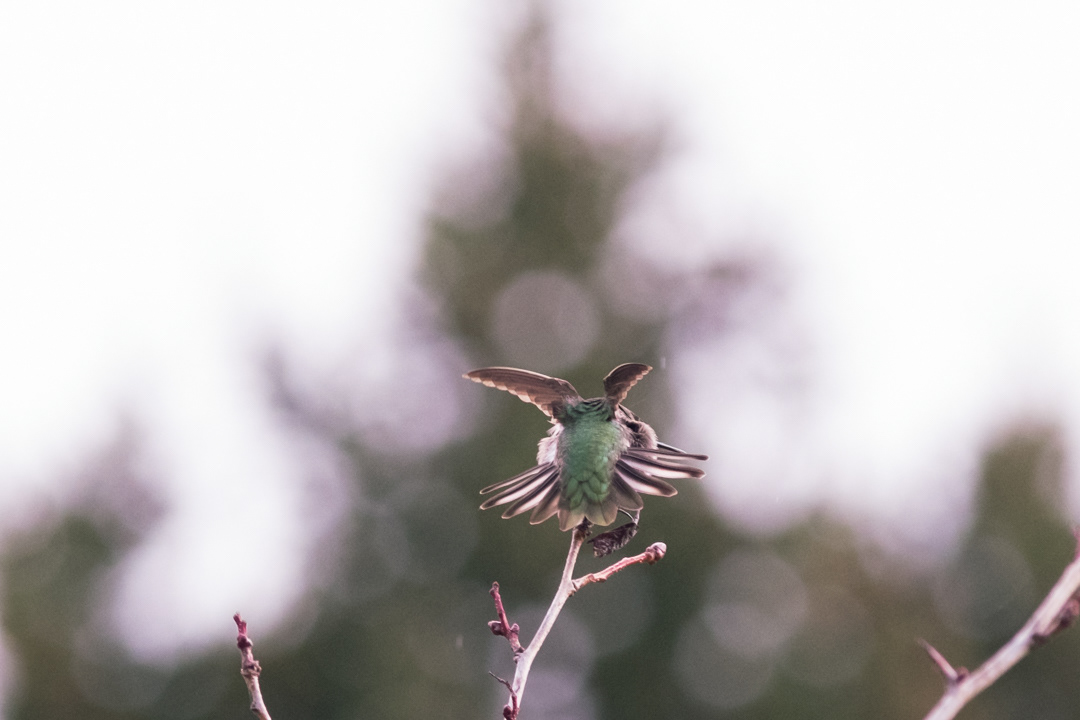
Walking through a meadow, I hear a short, loud, high frequency, whistling "peeeIP!" I know there is a male Anna's humming bird nearby. He is displaying to a potential mate or warning others to stay away from his territory.
Listening to a drop rig recording I hear heavy footsteps and snuffling at 2am the previous night. I listen to a black bear smelling my presence on their trail the day prior.
After cranking up the gain on an under water recording, I can hear the faint squeaks of a pod of Orcas over the cacophony of snapping shrimp a kilometre away on the other side of an inlet.
Walking through a meadow, I hear a short, loud, high frequency, whistling "peeeIP!" I know there is a male Anna's humming bird nearby. He is displaying to a potential mate or warning others to stay away from his territory.
Listening to a drop rig recording I hear heavy footsteps and snuffling at 2am the previous night. I listen to a black bear smelling my presence on their trail the day prior.
After cranking up the gain on an under water recording, I can hear the faint squeaks of a pod of Orcas over the cacophony of snapping shrimp a kilometre away on the other side of an inlet.
Sound reveals many unseen insights into the goings on around us.
Listen to the sound of the morning chorus in this old growth stand of temperate rainforest on a windy morning after a rain. let it play as you read more about my photographic process, and see if you can recognize any patterns or identify any species.
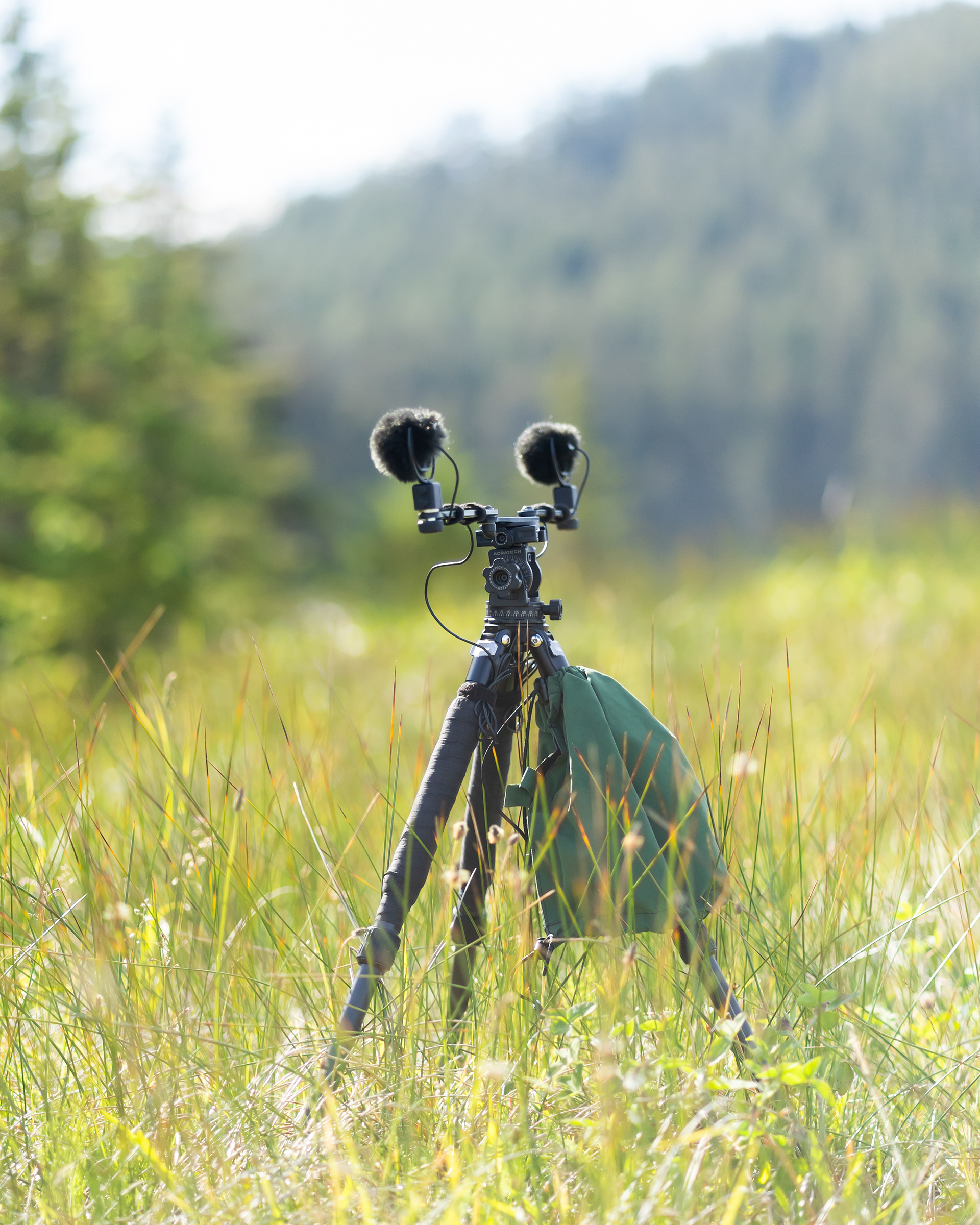
Stereo Clippy mics and Zoom F3 on a tripod with a rain cover
How recordings are made
I use a light weight stereo recording setup that maximizes audio quality per dollar spent, by combining high sensitivity lav mics with a very low noise, two track recorder.
This popular rig can be used on a tripod, or left out as a drop rig for days at a time.
It records in 32bit which has a wide enough gain range that the recorder doesn't even have a gain setting, this means that it can capture everything from the quietest all the way up to the loudest sounds In the environment while preserving audio quality.
High sample rates up to 192,000 times per second allow for resolution that can be slowed down to reveal hidden details in the songs of hummingbirds and even the calls of some bats.
Its Light weight and compact size allows me to take it into remote place. This photo was taken on Cape Scott, nearly 20km from the trailhead.
Typically I will listen while I walk to a location for species of interest, who is here,? What are they doing?
I set up my mics in a way that maximizes the stereo effect, sometimes on a tripod, other times strapped on either side of a tree.
I then walk away to take pictures or lay down near by and try to stay as quiet as possible.
This popular rig can be used on a tripod, or left out as a drop rig for days at a time.
It records in 32bit which has a wide enough gain range that the recorder doesn't even have a gain setting, this means that it can capture everything from the quietest all the way up to the loudest sounds In the environment while preserving audio quality.
High sample rates up to 192,000 times per second allow for resolution that can be slowed down to reveal hidden details in the songs of hummingbirds and even the calls of some bats.
Its Light weight and compact size allows me to take it into remote place. This photo was taken on Cape Scott, nearly 20km from the trailhead.
Typically I will listen while I walk to a location for species of interest, who is here,? What are they doing?
I set up my mics in a way that maximizes the stereo effect, sometimes on a tripod, other times strapped on either side of a tree.
I then walk away to take pictures or lay down near by and try to stay as quiet as possible.
How Sound And Sign Influence My Nature Photography
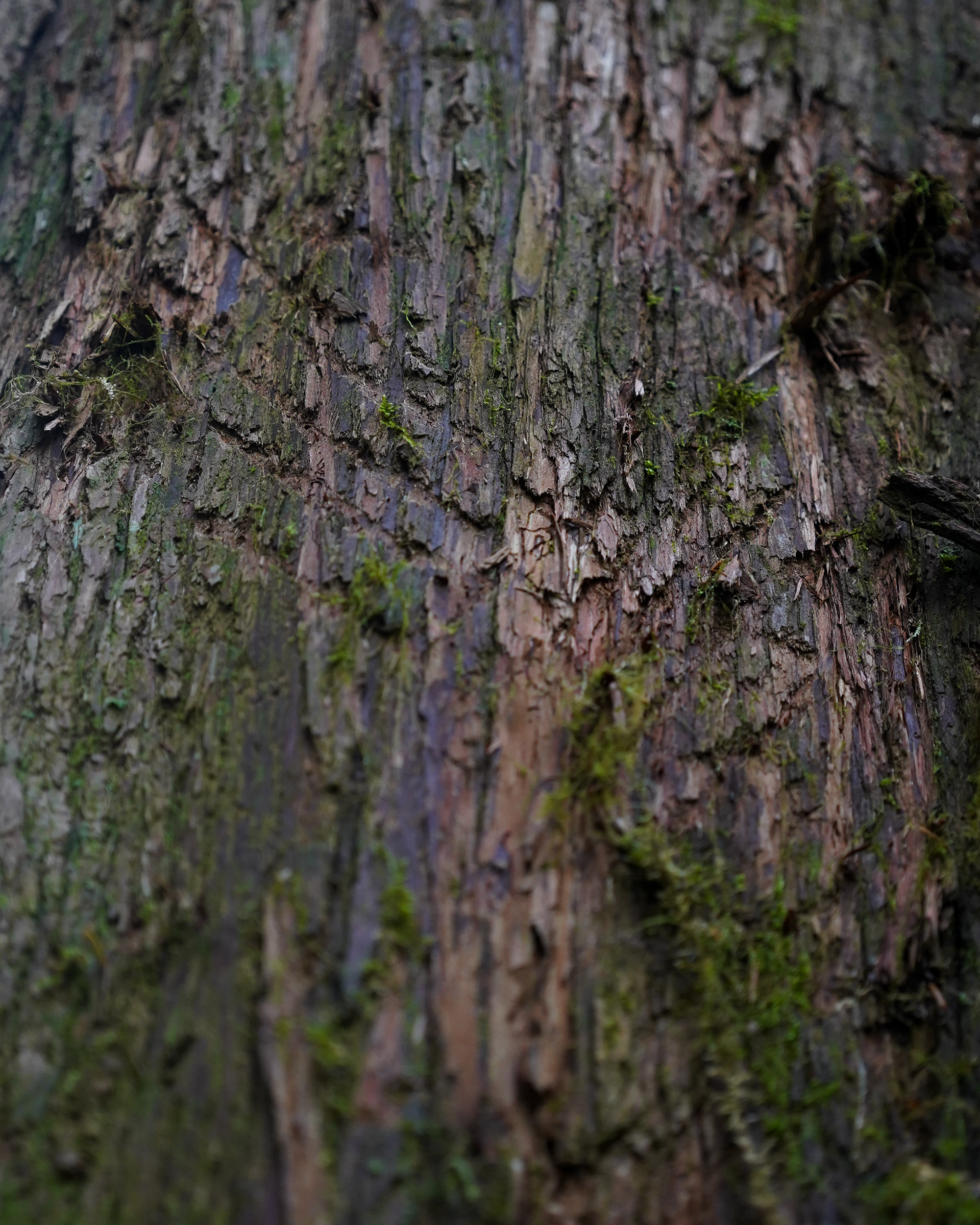
Sound and Sign allow me to read the goings on of a place. I see where a black bear has marked a tree with their claws, and then the scat and prints leading to and from it in the sand. I hear the the mixed flock of Golden-crowned kinglets and Chestnut-backed chickadees that forage together in the canopy far out of view. I note the passage of a large bird that only visits Vancouver Island during migration by finding a single print preserved below the surface of a coastal pine bog.
These signs and sounds tell stories that I had to learn to read, and when I did, I unlocked an insight into the places I love most that was previously unaware of.
But when you listen to those you love, sometimes you hear pain.
Tuning my ears to the sounds around me has made me more acutely aware of the presence of anthropophony, the aspect of the soundscape produced by human activity.
In other terms, sound pollution, which is often present in even the most remote places I have visited.
These signs and sounds tell stories that I had to learn to read, and when I did, I unlocked an insight into the places I love most that was previously unaware of.
But when you listen to those you love, sometimes you hear pain.
Tuning my ears to the sounds around me has made me more acutely aware of the presence of anthropophony, the aspect of the soundscape produced by human activity.
In other terms, sound pollution, which is often present in even the most remote places I have visited.
These insights allow me to see details that I think are worth photographing, remembering, and sharing.
Paying attention is the most important theme of my photography.
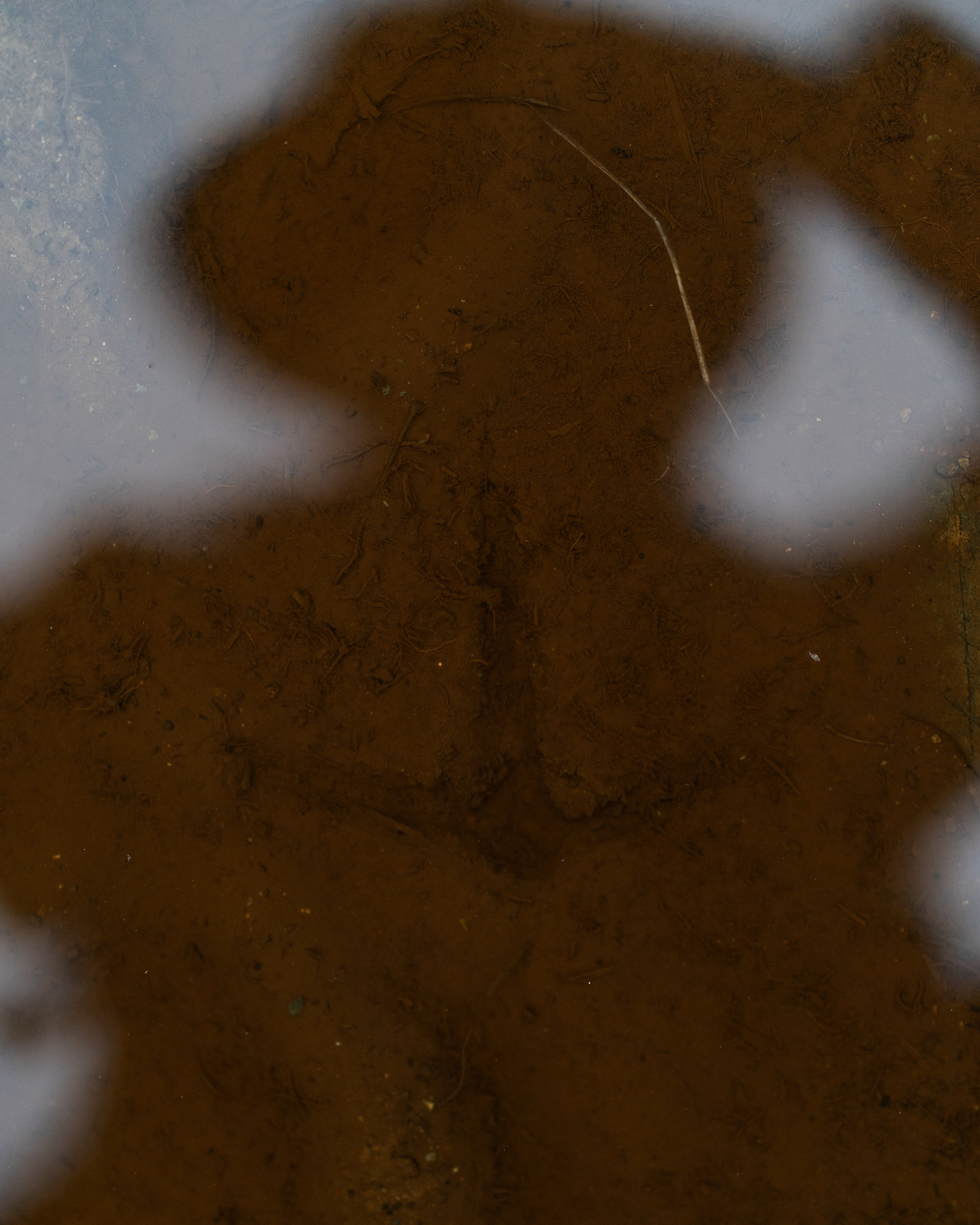
Possibly Sandhill Crane
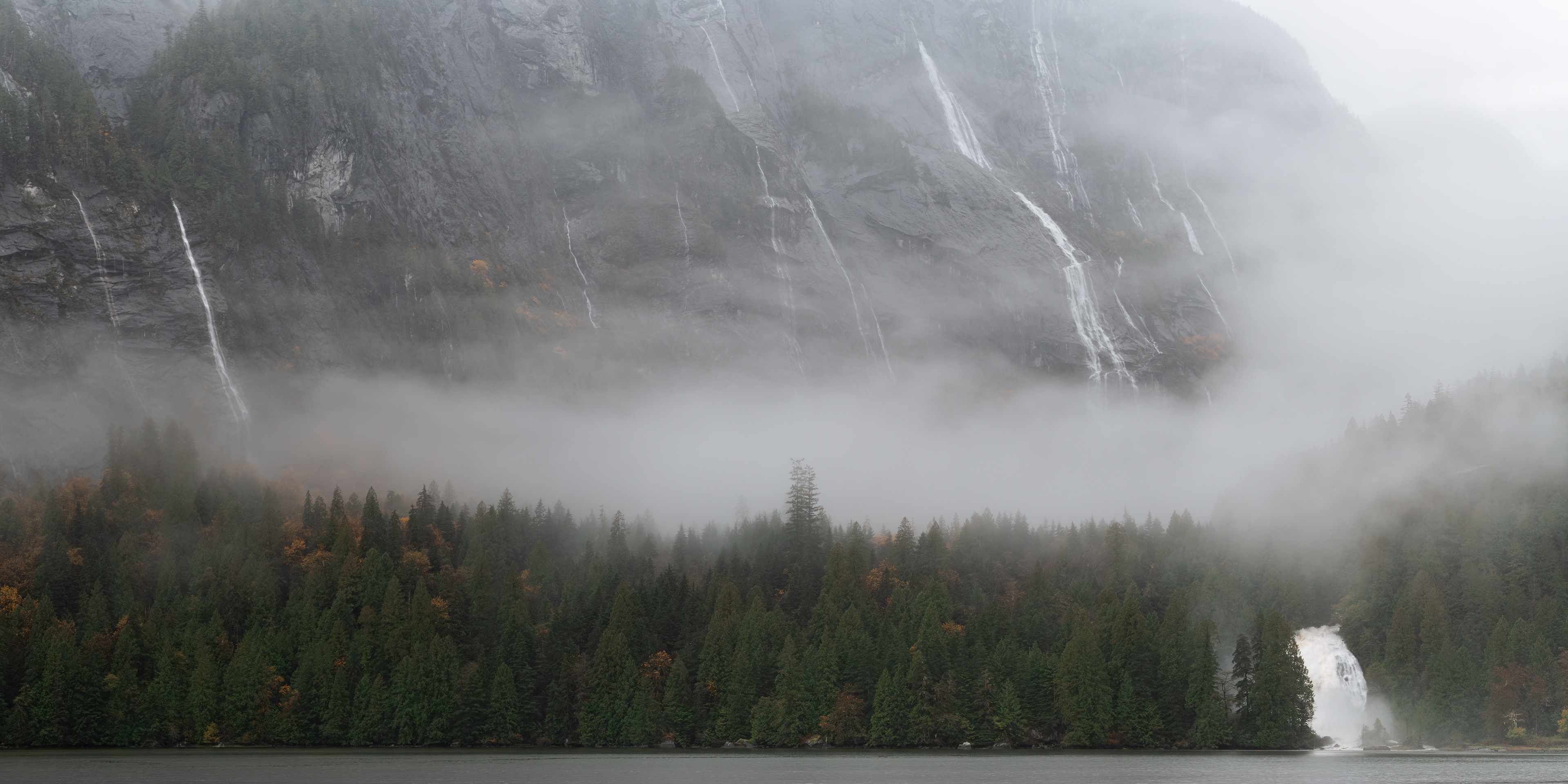
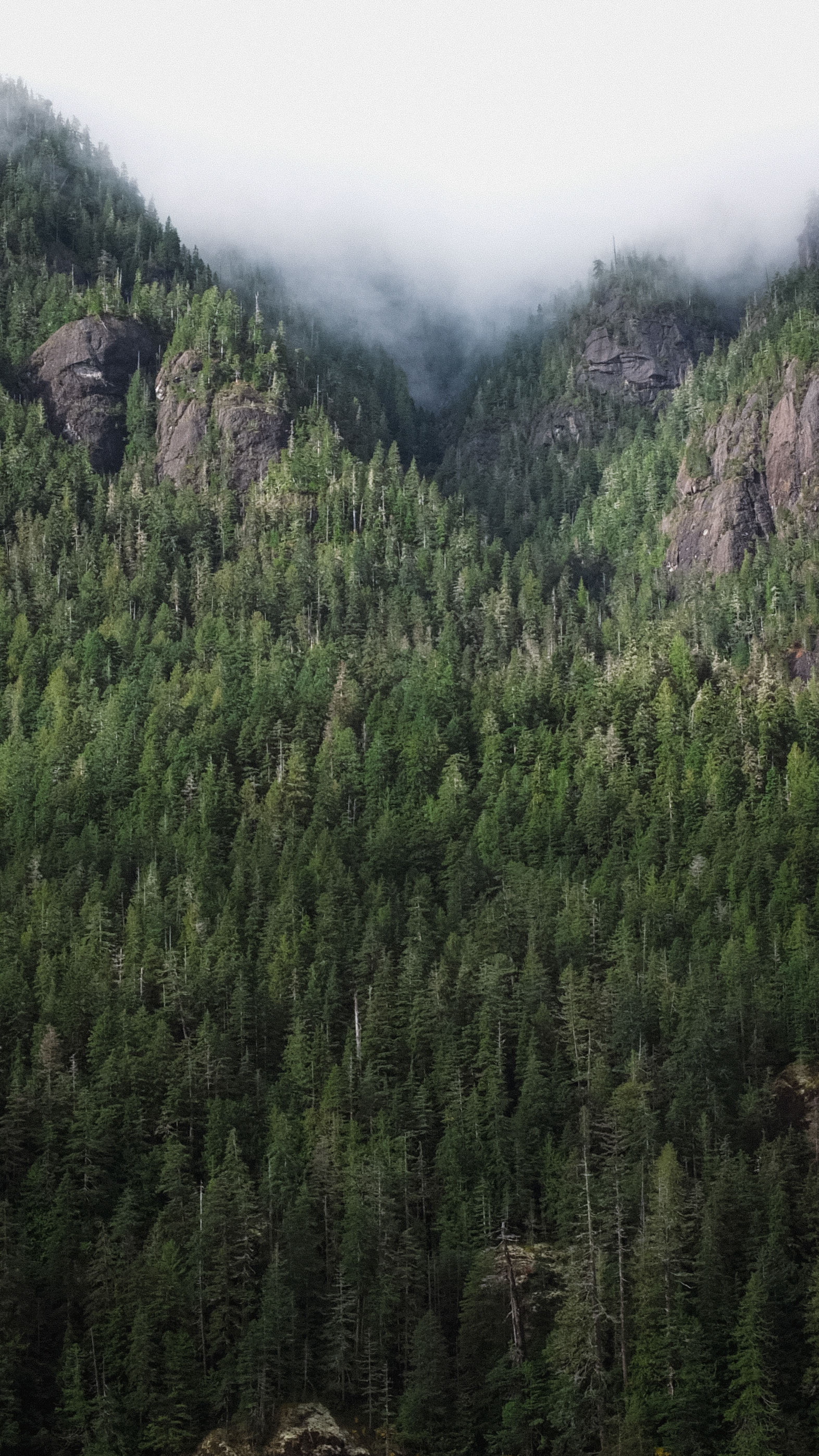
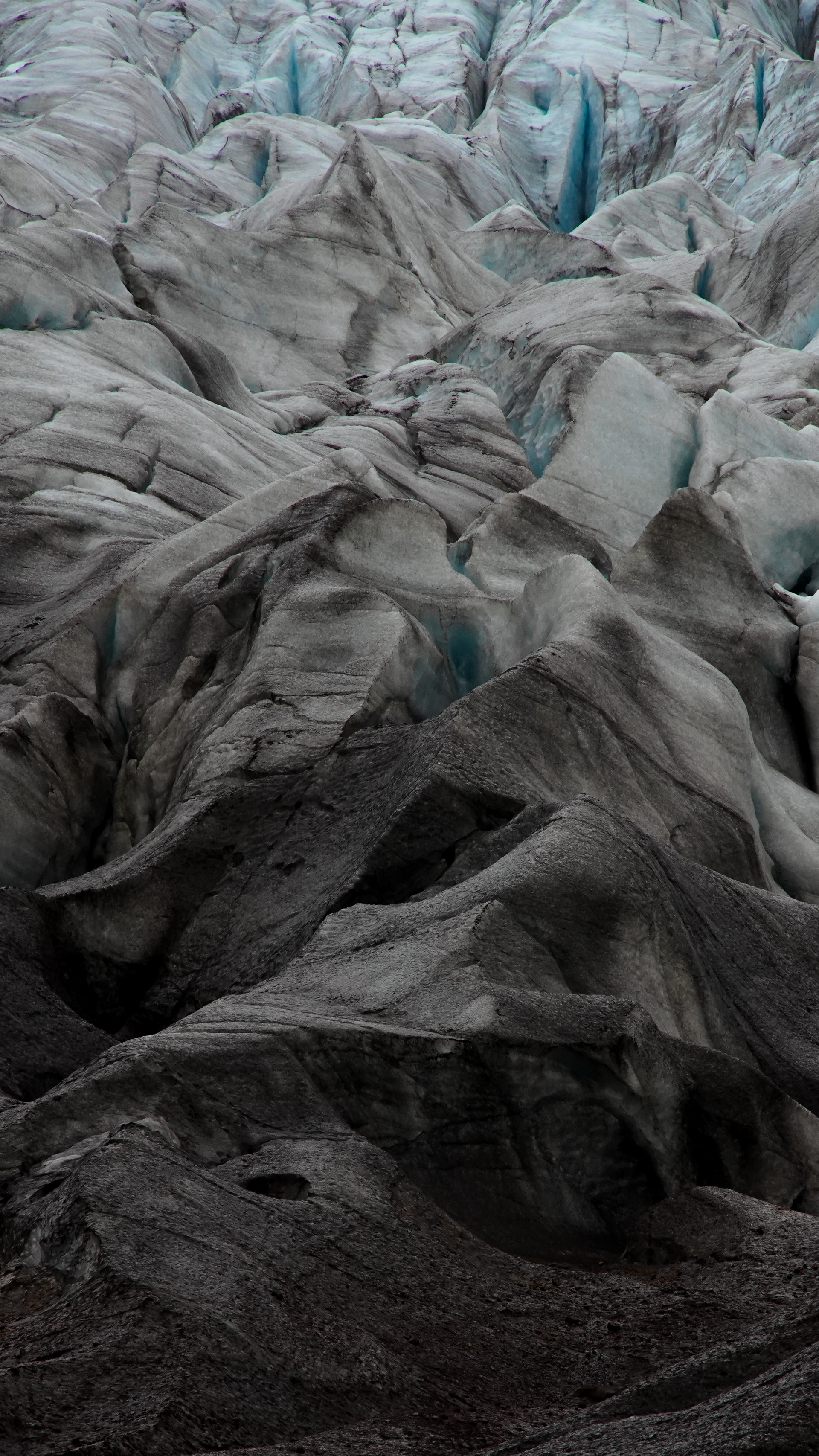
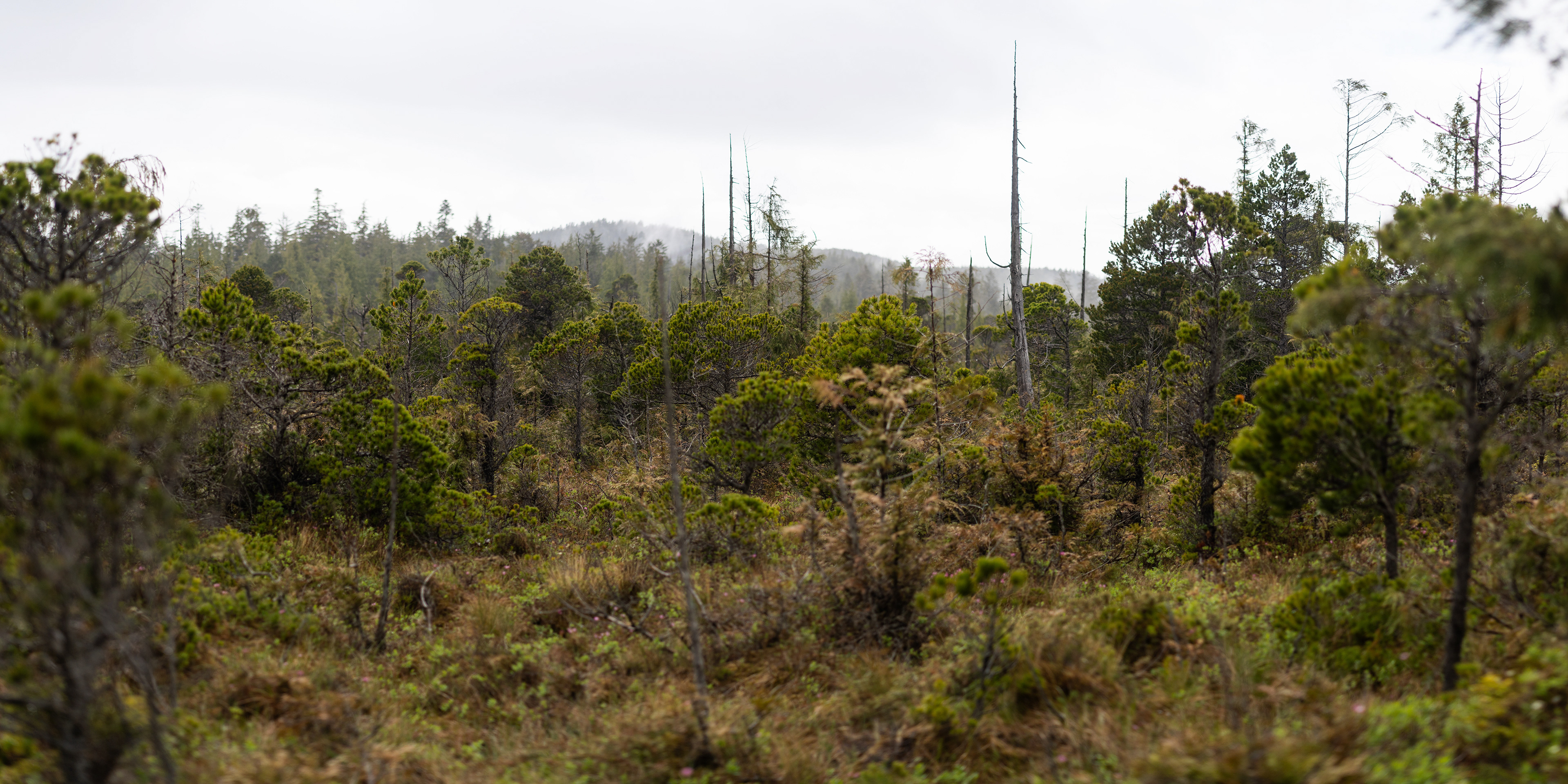
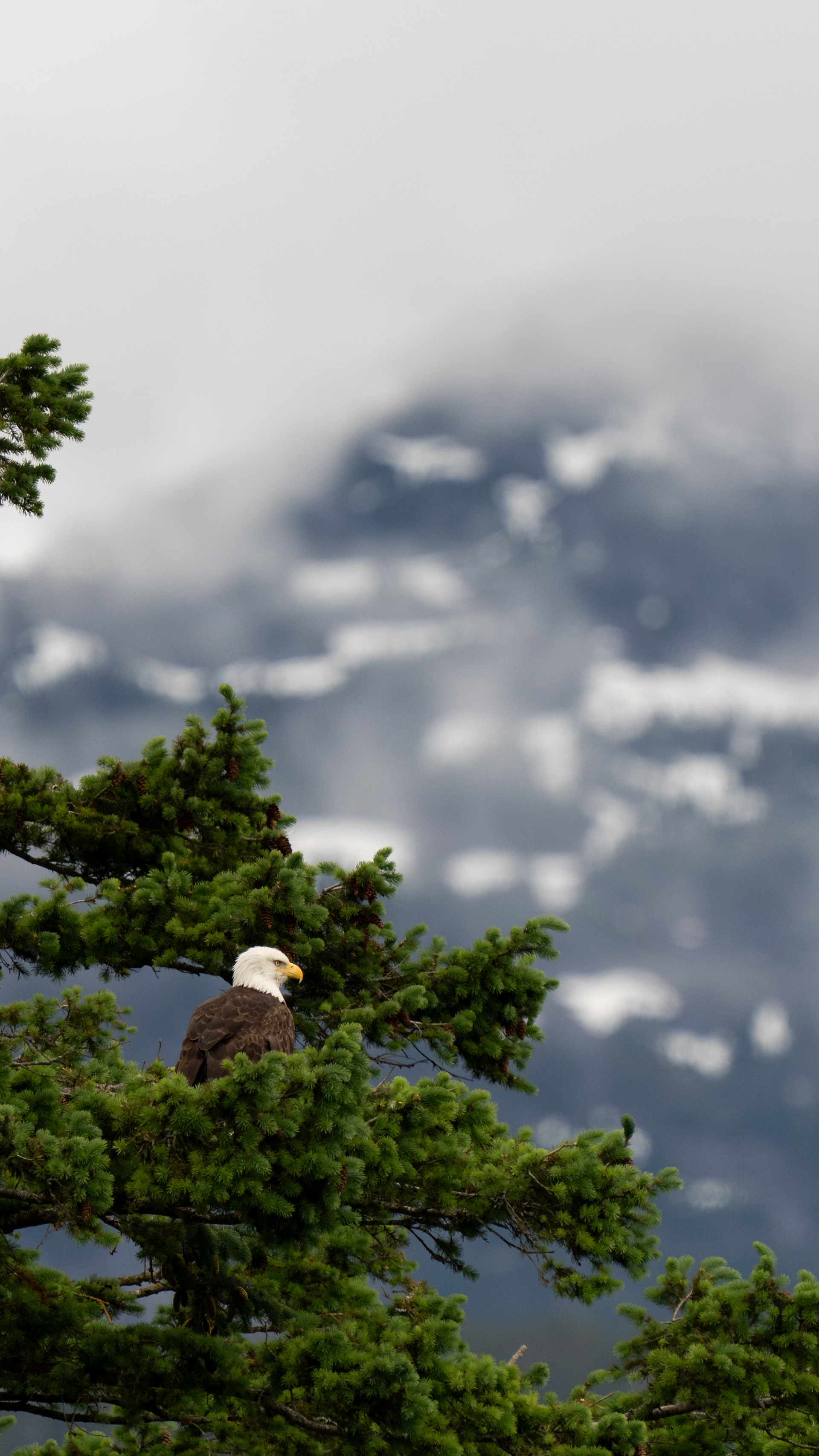
Bald Eagle
The Kind Of Wildlife Photography That I enjoy
I consume allot of wildlife media.
When I was a kid I would watch hours of nature documentaries on VHS tapes borrowed from the public library. As I got older nature docs changed. They became more sensationalized with intense music, and narrators shifted from sparse calm narration to constant urgent tones. As technology advanced, closer, more detailed images were possible.
When I was a kid I would watch hours of nature documentaries on VHS tapes borrowed from the public library. As I got older nature docs changed. They became more sensationalized with intense music, and narrators shifted from sparse calm narration to constant urgent tones. As technology advanced, closer, more detailed images were possible.
In photography there is a common urge to push closer with longer lenses for more detail and shallower depth of field, separating the subject form its background. I too have pursued this look, but the last few years, as I have learned how to pay closer attention to the goings on in the places I visit, I have come to appreciate and aspire to wildlife photography that places the subject in their environment.
I am not interested in photography that disrespects people, animals, plants or place.
You may note that I avoid inanimate pronouns when referring to plants and animals. I do this out of respect for their umwelt, recognizing them as living beings.
You may note that I avoid inanimate pronouns when referring to plants and animals. I do this out of respect for their umwelt, recognizing them as living beings.
I consider frightening animals as a failure of my skill as a photographer.
While birding and field recording I never use play back or call imitations to call in animals.
I prefer to use longer lenses to increase the distance between me and my subject, and when I want to get extreme close ups I prefer to use remote camera triggers or continuous recording.
Time I spend with my subjects are comforting experiences that I hold in my mind to revisit in harder times, far from nature.
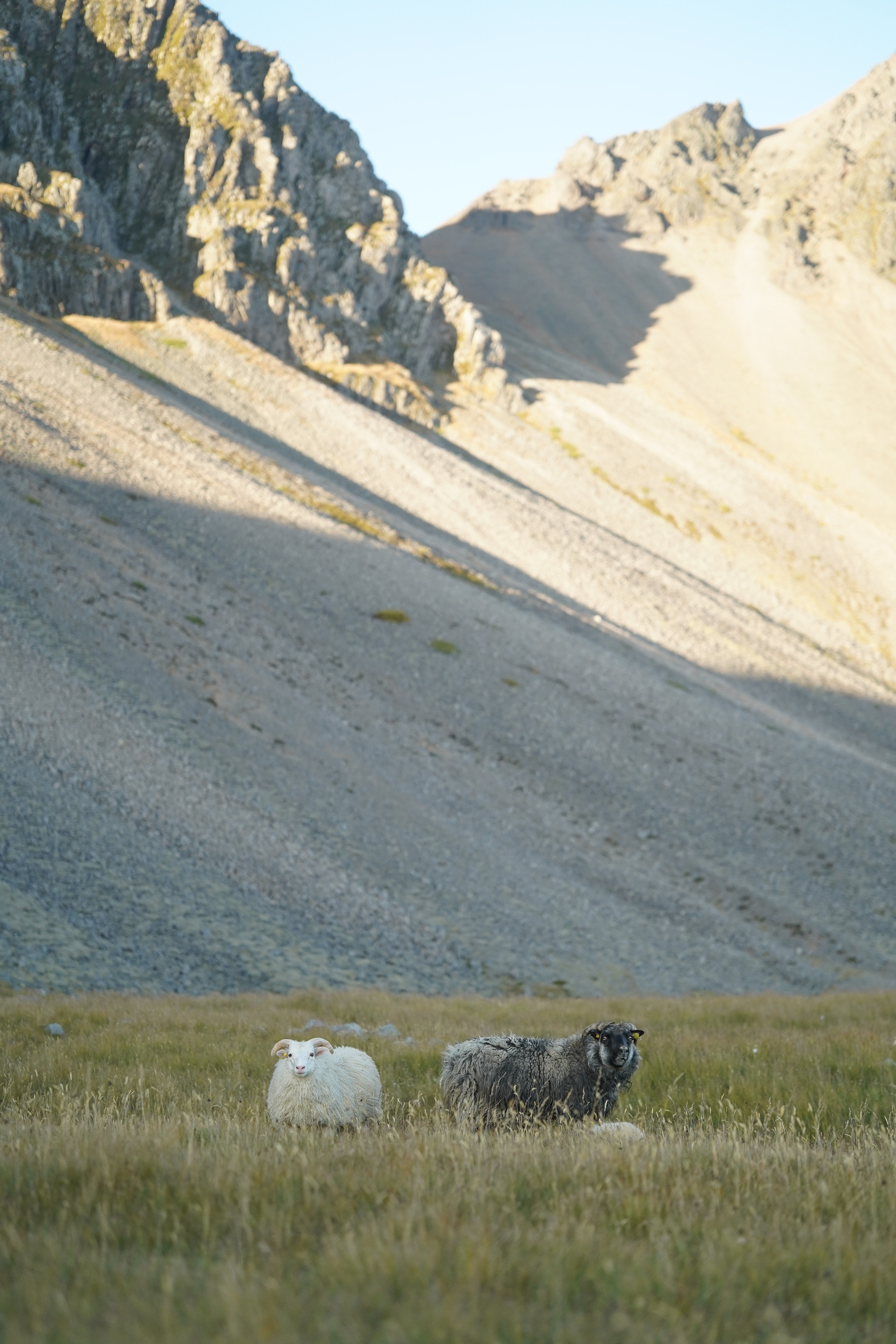
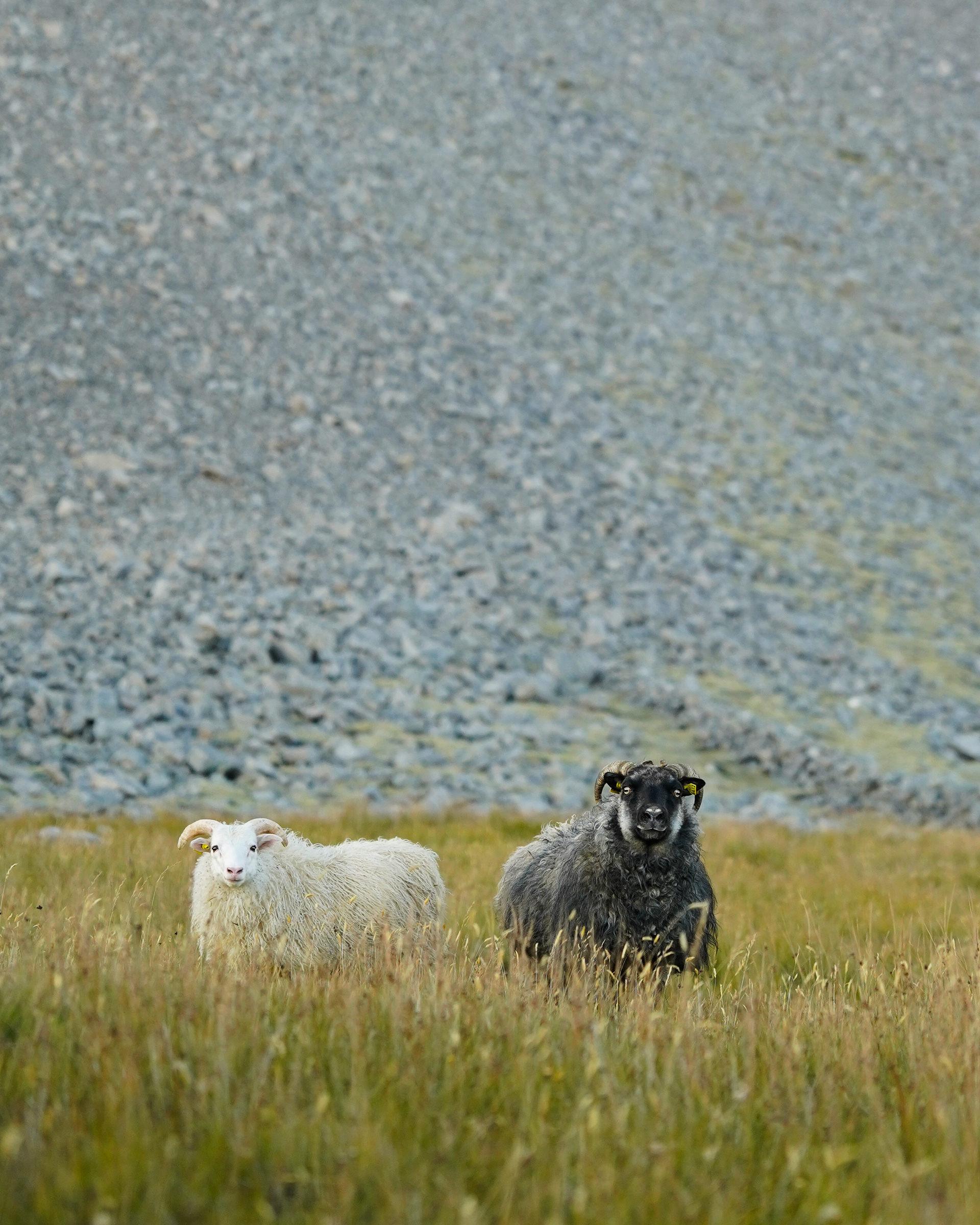
Captive Icelandic Sheep
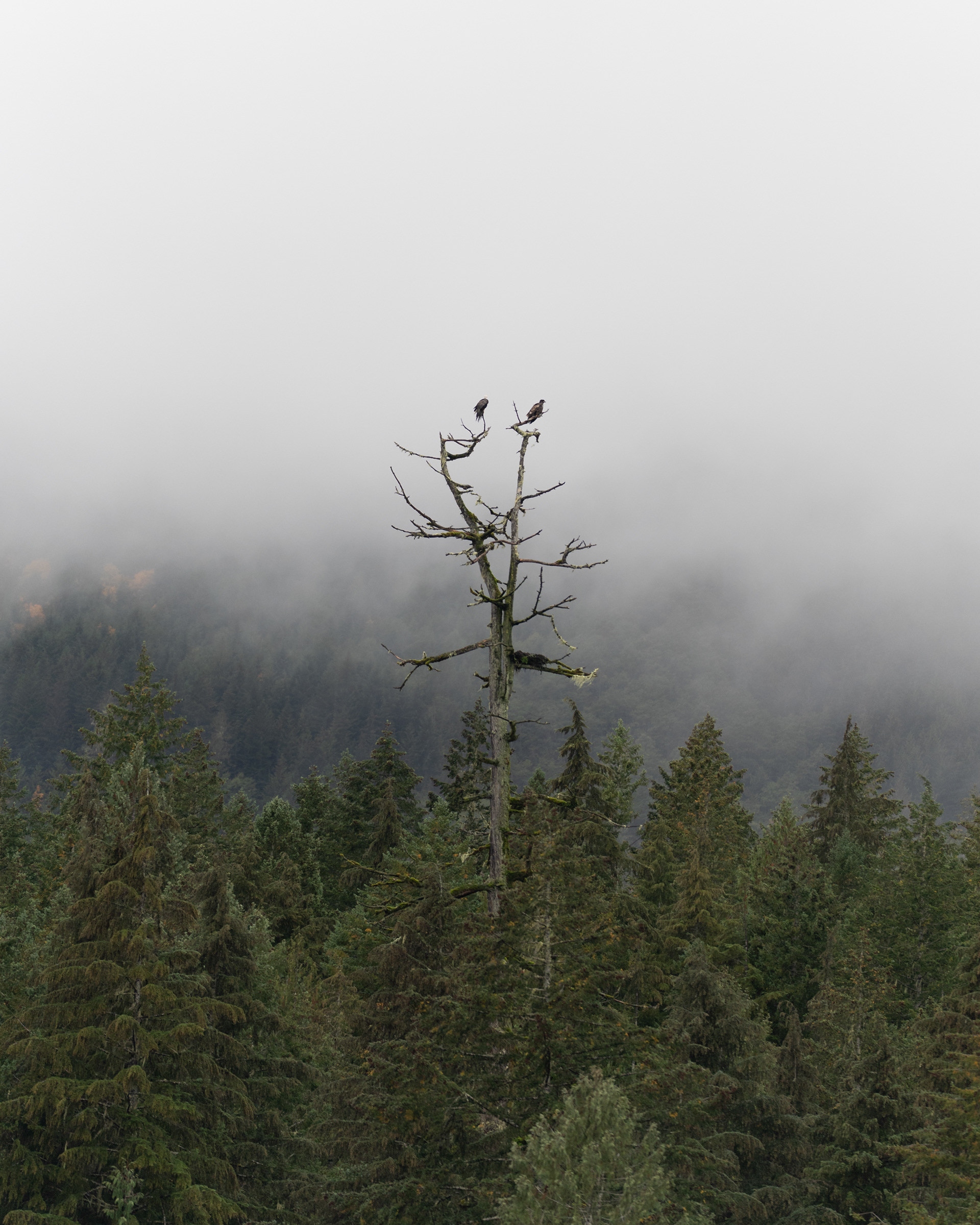
Juvenile Bald Eagles
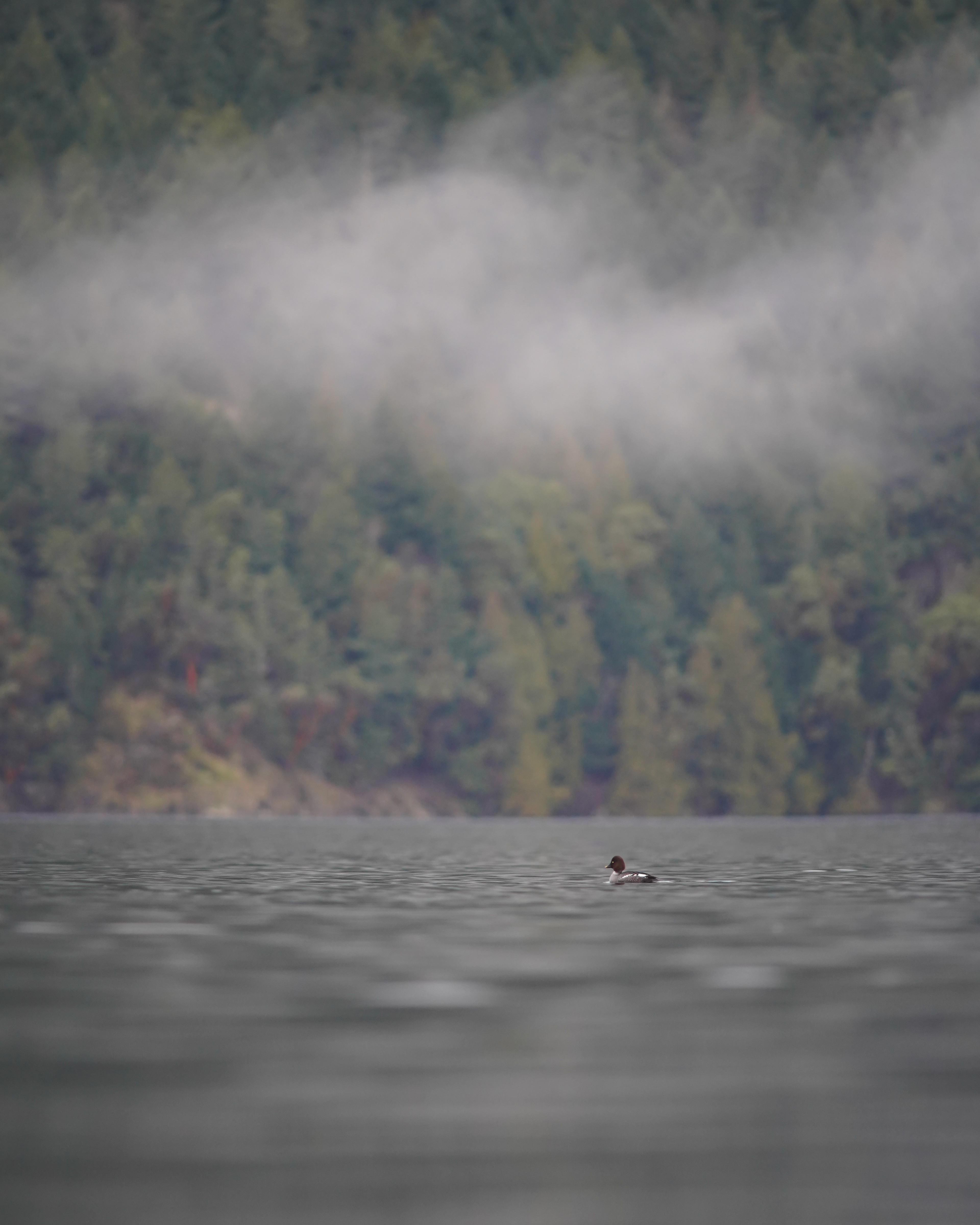
Common Goldeneye
Charismatic Animals
Large or beautiful animals are always exciting and make for beautiful photography.
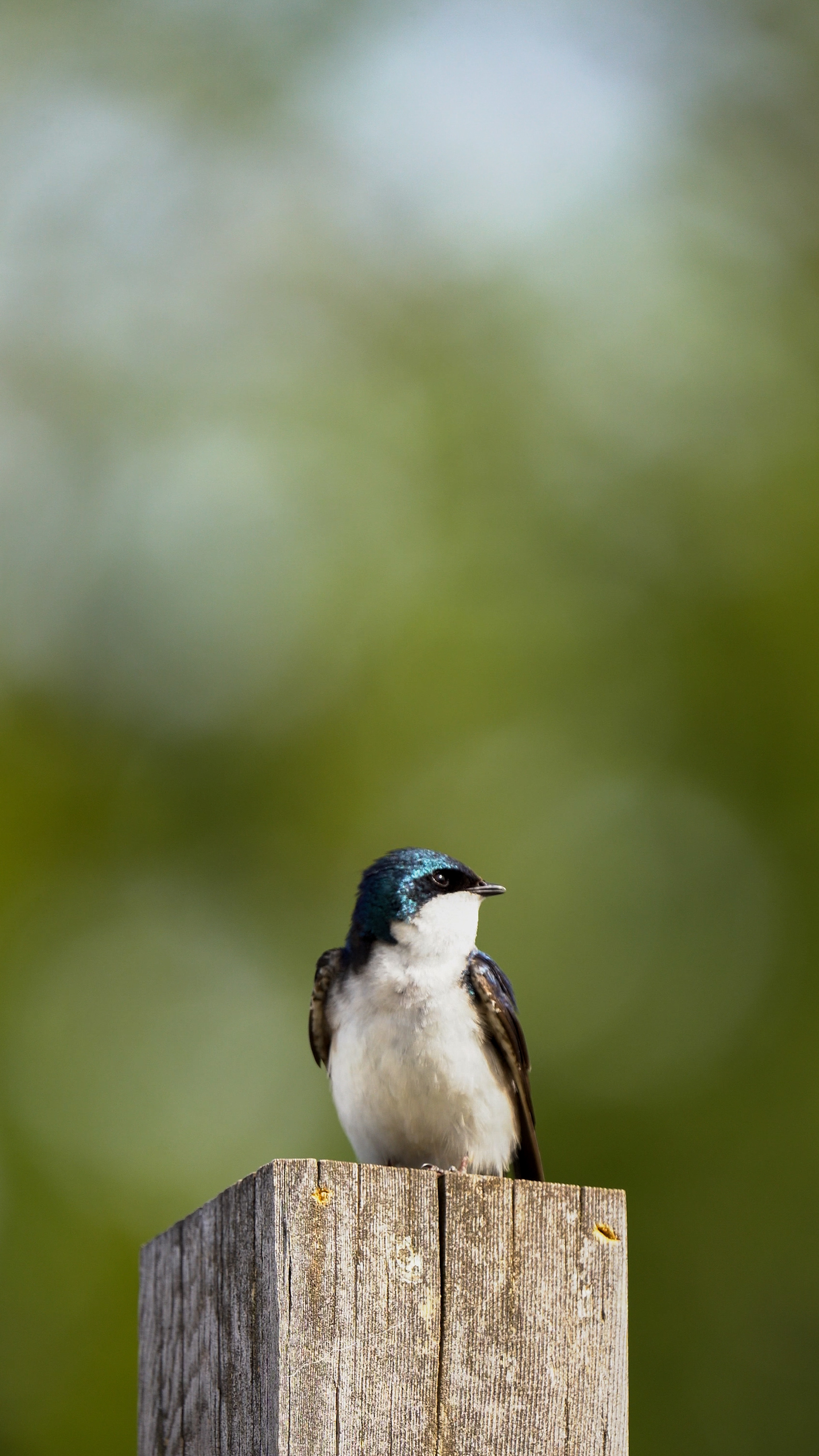
Male Tree Swallow
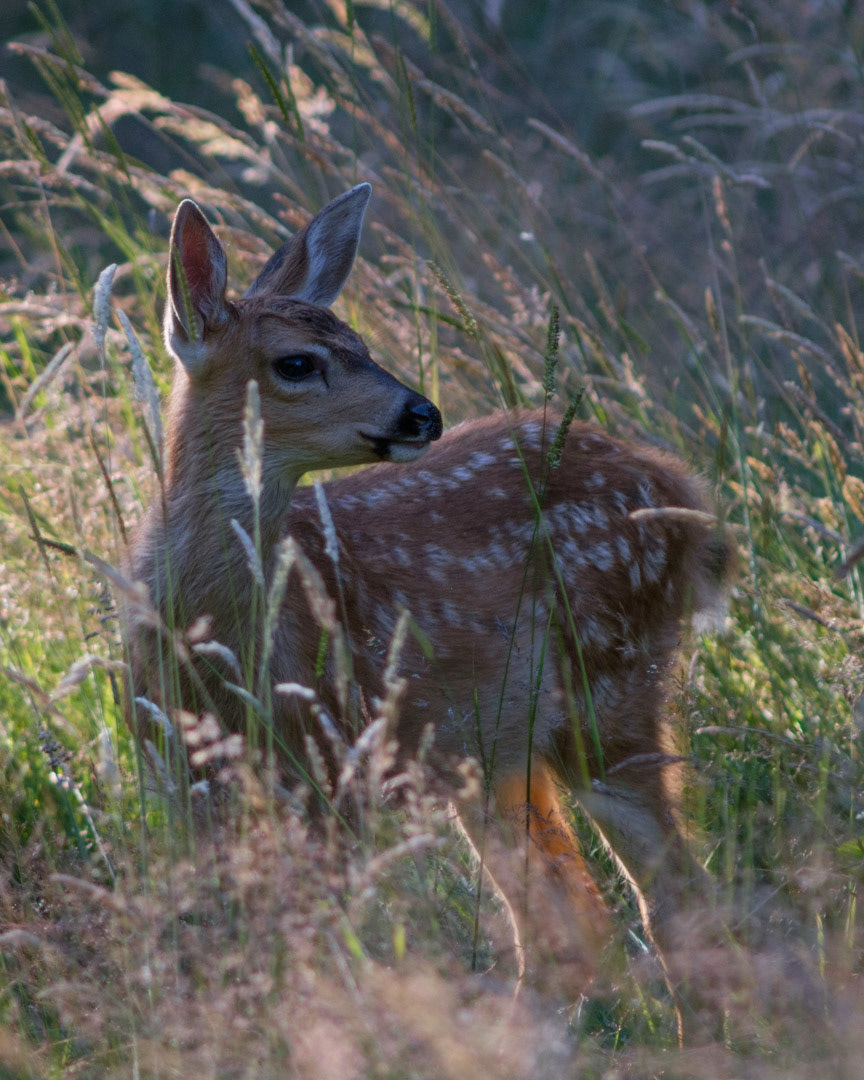
Black Tailed Deer Faun
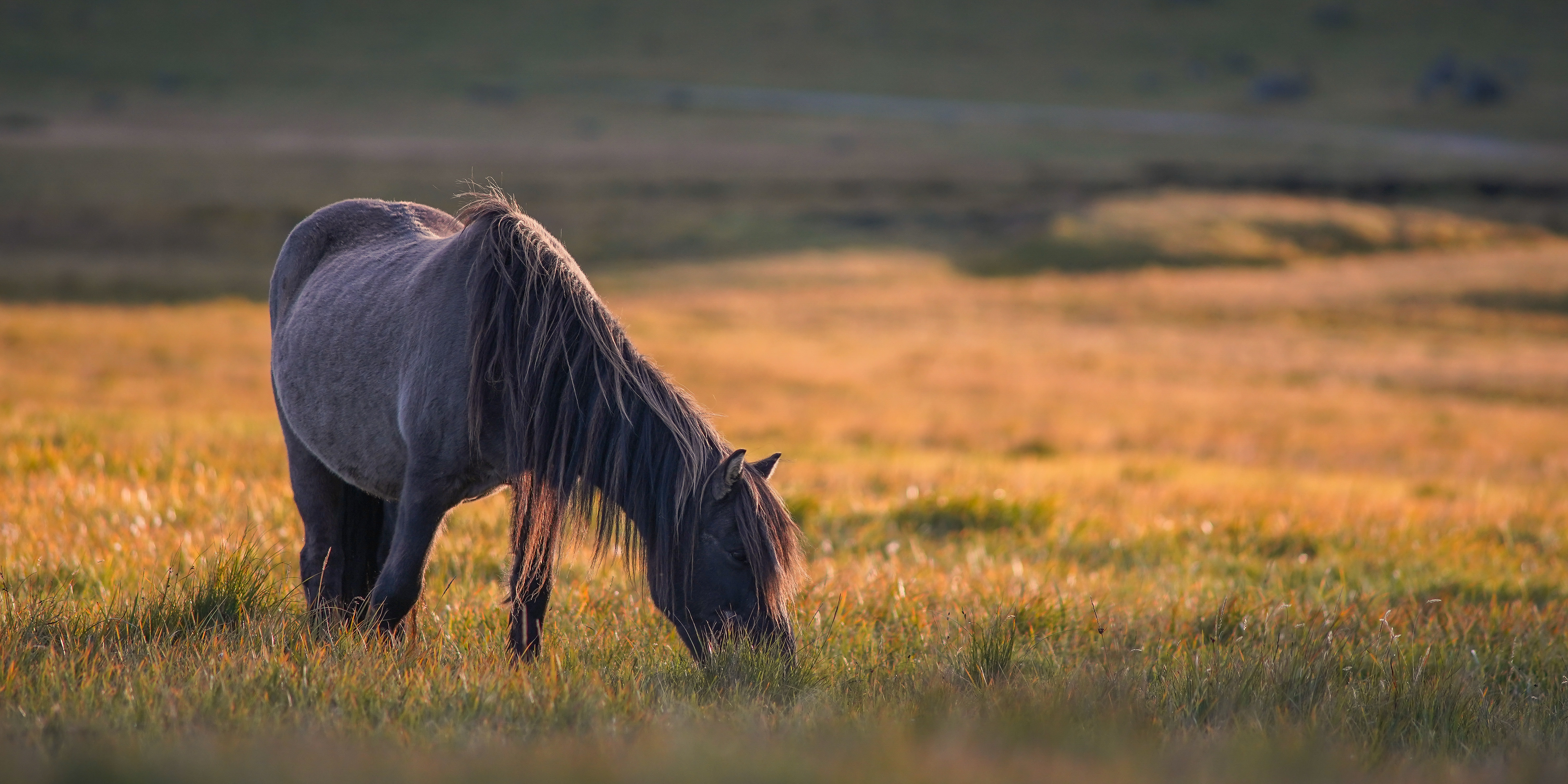
Captive Icelandic Horse
But Also The Creatures
Less traditionally beautiful animals often capture my attention. Their lives are no less fascinating and often tell incredible stories.
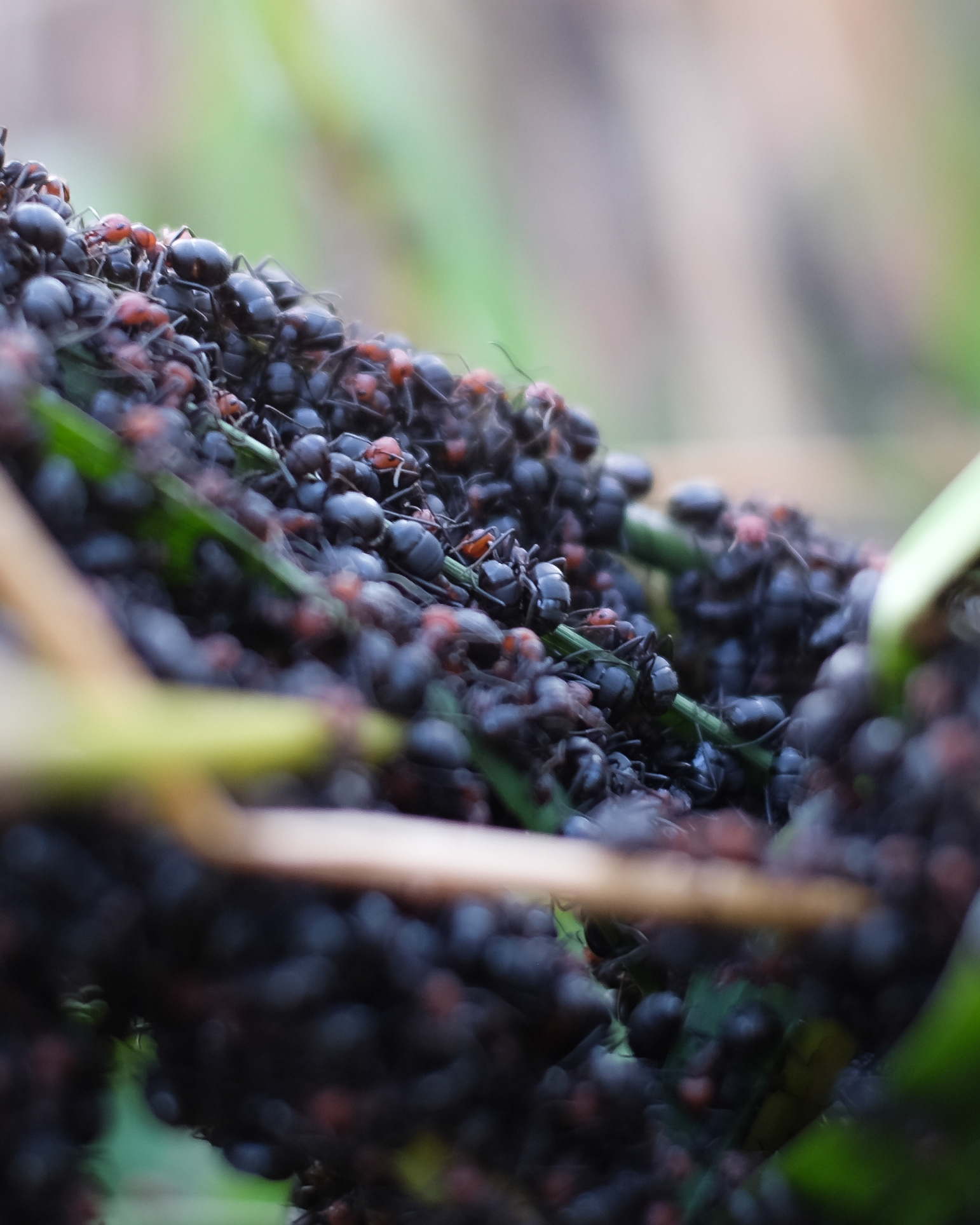
The photo below shows an ant nest that that was forced to evacuate and cling together during the worst flood In my life time on the BC west coast, brought on by an atmospheric river.
The photo below of jelly fish washed up at the head of an inlet, shows the fate of adult jellyfish trapped in an inlet with very little water exchange with the open ocean.
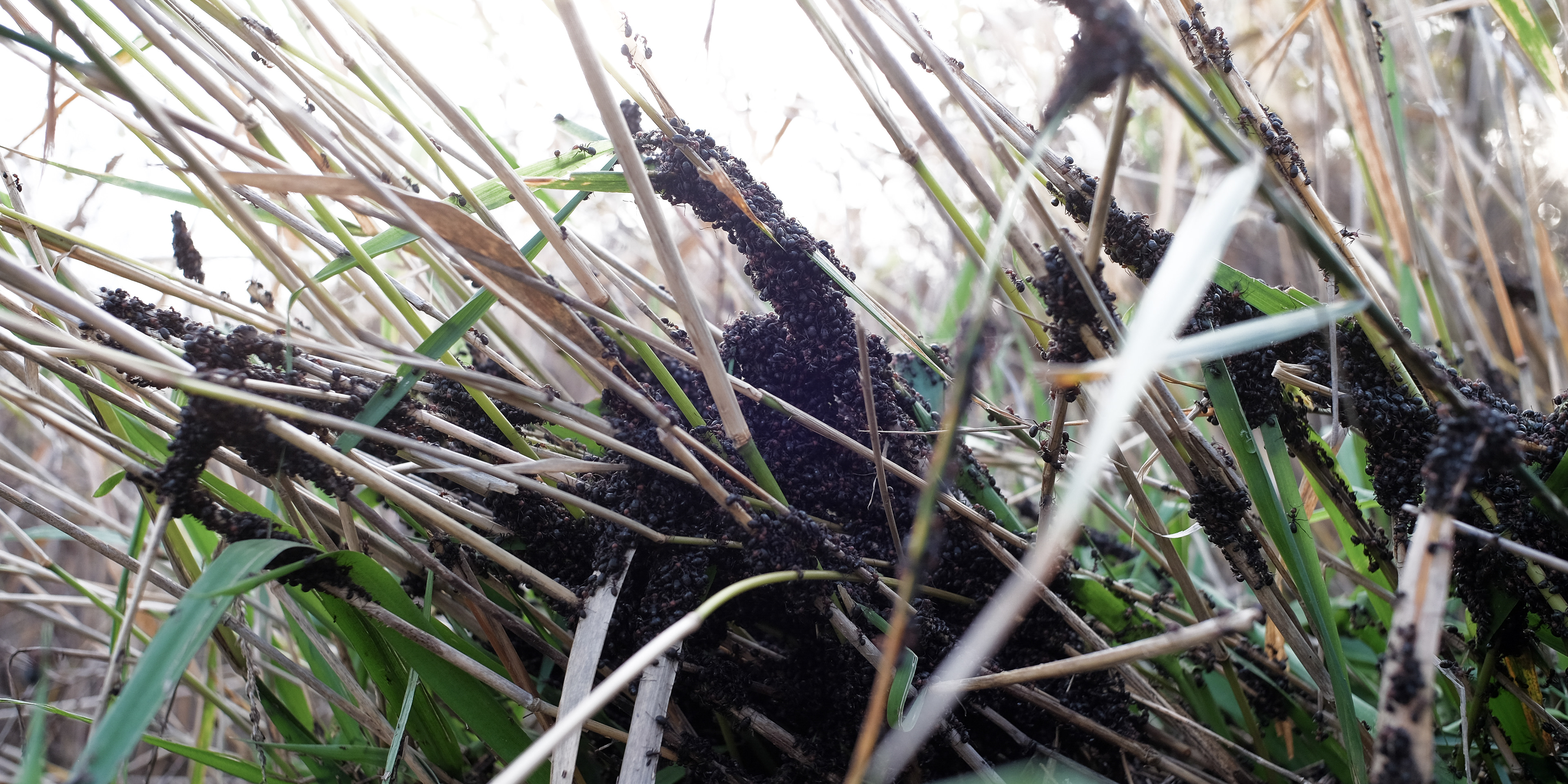
Ant Raft After Flood Water Receded
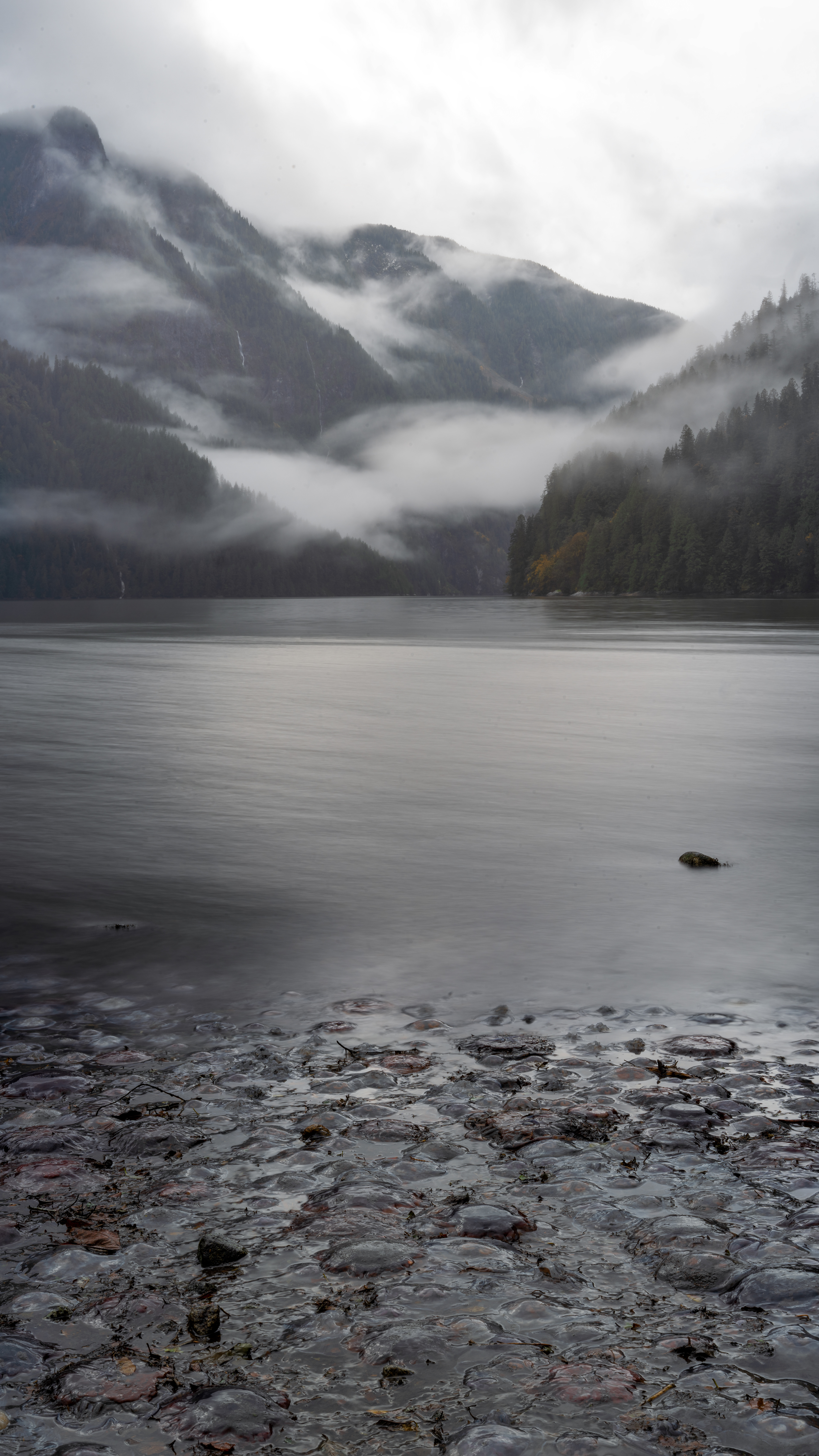
Jelly Fish washed up at head of an Inlet
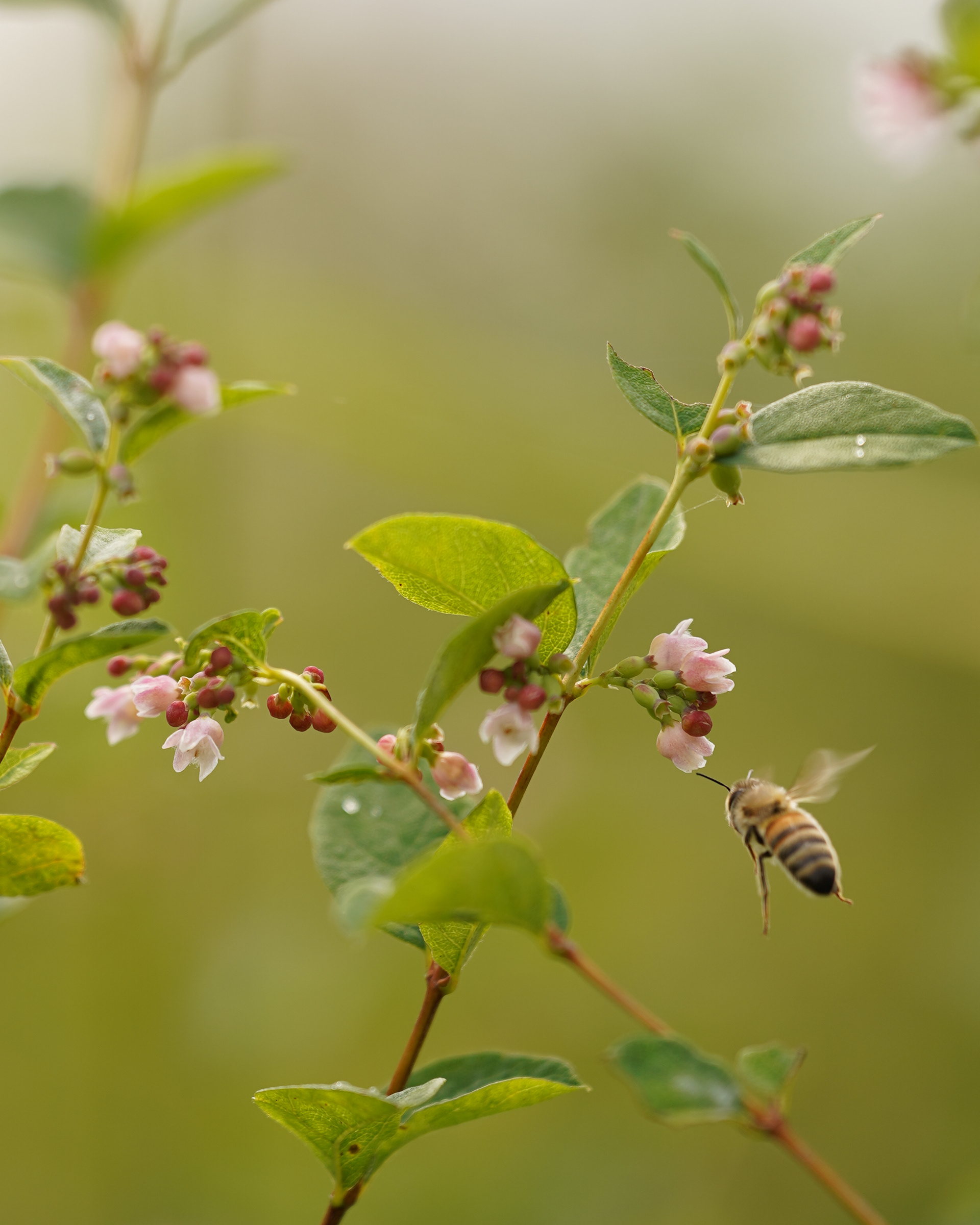
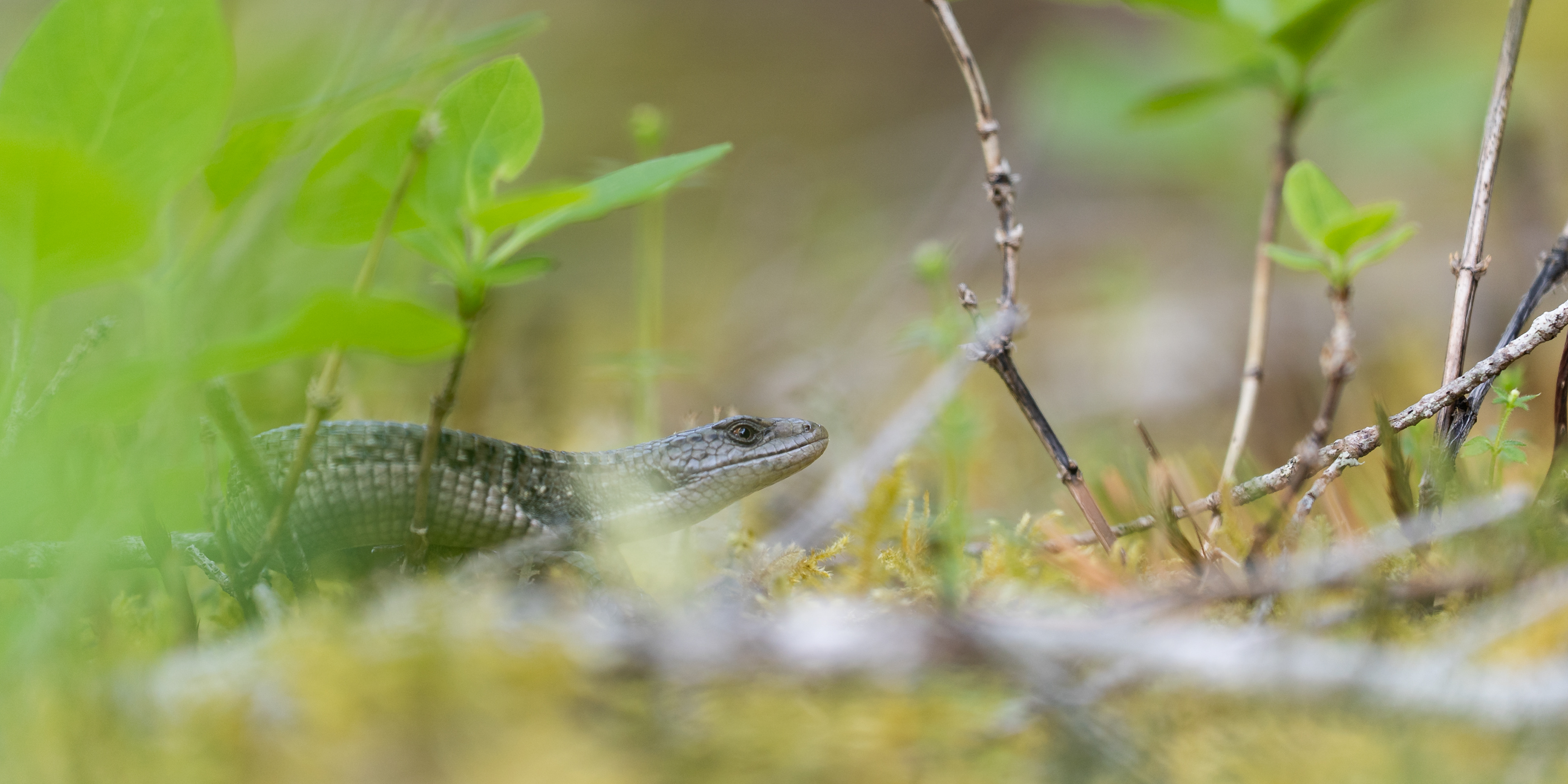
Northern Alligator Lizard
Reach out
If you like my work and you want to buy print, or commission photography, please feel free to contact me.
I am always looking for folks to join me on my walks that share my values of slow and quiet observation.
Please reach out if you are interested in collaborating with me.
Thank you!
Gallery